Fluid Transfer Solutions for Beverage Mixing Machines
Why Mixing Reliability Depends on the Fluid Transfer Design
In beverage production, mixing systems play a critical role in the manufacturing process. They are responsible for combining syrups, flavors, juices, milk bases, vitamins, and other ingredients into homogeneous blends before filling, pasteurization, or further processing.
While tanks, agitators, and dosing systems typically receive significant engineering attention, fluid transfer in mixing areas is often underestimated. Flexible hoses are frequently treated as consumables, despite being exposed to some of the most demanding conditions in the process.
Field experience consistently shows that hygiene, reliability, and process stability in beverage mixing systems do not stop at the tank — they depend directly on how fluids are transferred between process steps.
Understanding the Mixing Environment in Beverage Production
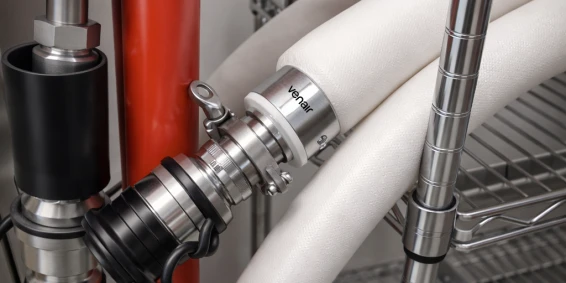
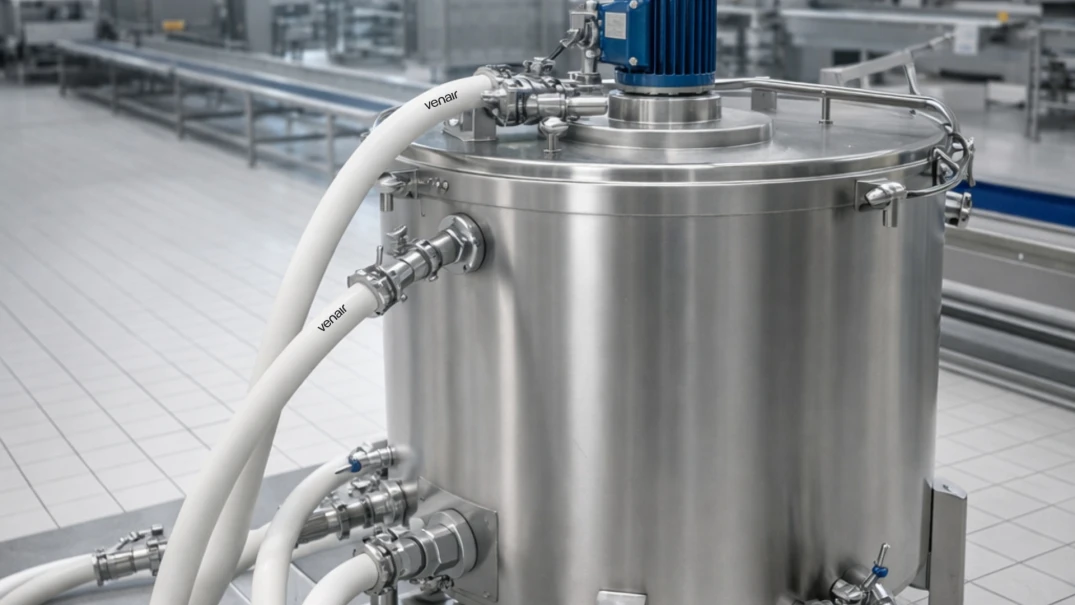
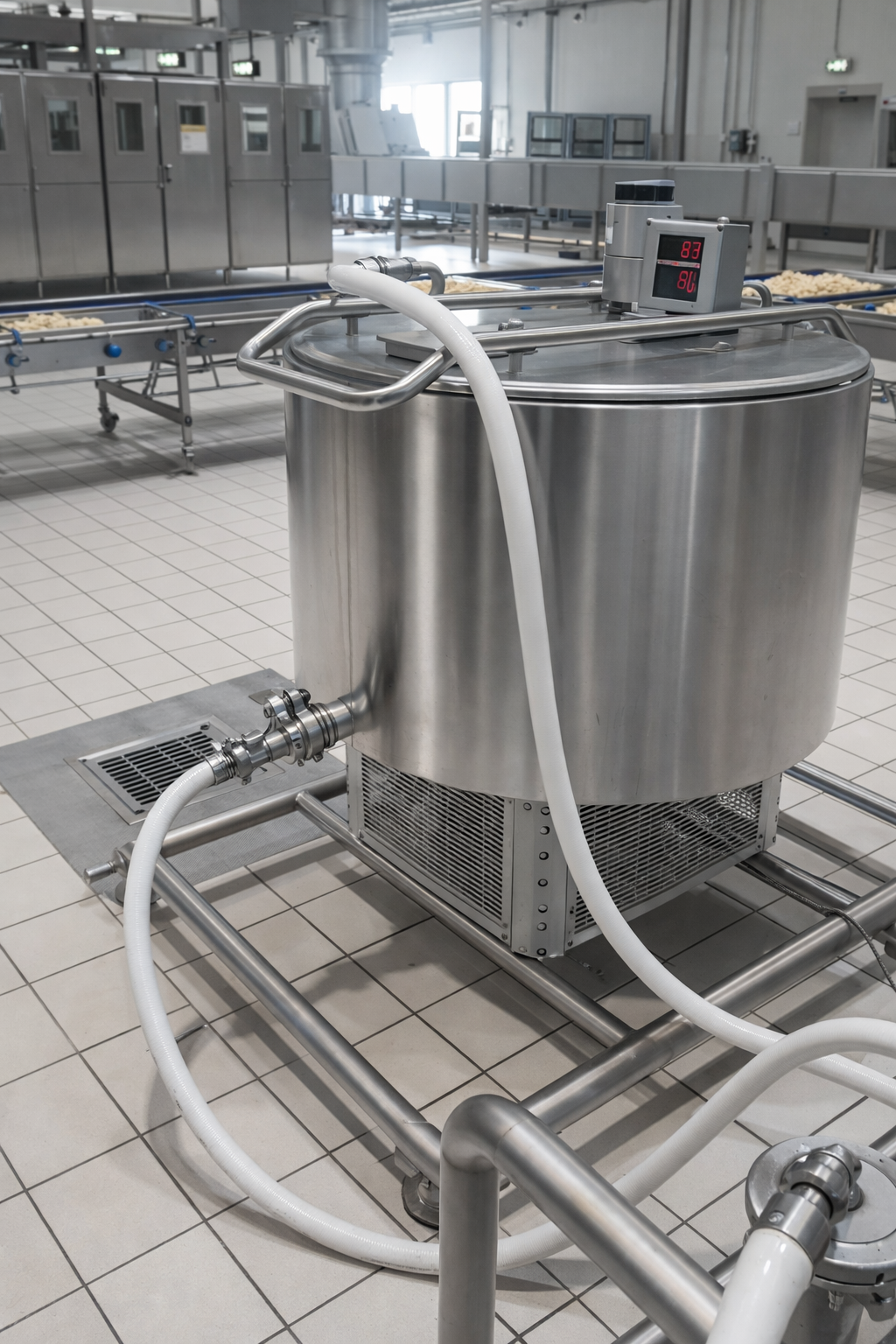
Mixing environments typically include pre-mixing tanks, blending skids, syrup preparation units, and dosing stations, interconnected by flexible hoses. These hoses are involved in several critical operations:
-
Feeding raw ingredients such as syrups, milk bases, fruit preparations, colorants, vitamins, and flavor concentrates
-
Recirculating product to ensure homogeneity and stability during blending
-
Diluting and adjusting viscosity or density
-
Transferring finished blends to holding tanks or filling lines
-
Performing frequent cleaning through CIP systems and, where applicable, additional sanitization steps
During daily operation, hoses are exposed to a combination of stresses rarely concentrated in other areas of the process:
-
Temperature variations between production and cleaning phases
-
Vacuum conditions and pressure fluctuations
-
Mechanical stress caused by pumps, agitators, vibration, and manual handling
-
Chemical exposure during cleaning operations using alkaline or acidic media
In this environment, hoses are not passive components. They become active elements of the hygienic process design, directly influencing product quality, operator safety, and system uptime.
The Overlooked Weak Point in Mixing Systems
Across beverage production facilities, recurring challenges are commonly observed in mixing and syrup preparation areas. These issues are rarely caused by the mixing equipment itself, but by a mismatch between process requirements and hose material selection.
Hygiene and Product Integrity Risks
-
Residue build-up from sugary, colored, or aromatic products
-
Flavor absorption and potential cross-contamination between batches
-
Loss of transparency in dilution or water circuits, limiting visual process control
-
Material degradation when exposed to aggressive ingredients or intensive cleaning cycles
Reliability and Maintenance Challenges
-
Hose swelling, hardening, or deformation after repeated CIP cycles
-
Loss of flexibility in dynamic zones near agitators or pumps
-
Premature hose failure leading to leaks or unplanned downtime
Operational and Cost Impact
-
Increased frequency of hose replacement
-
Higher maintenance workload and spare-parts inventory
-
Lack of standardization across production lines or plants
-
Potential costs associated with product contamination incidents
These challenges are often symptoms of a fragmented approach, where a single hose type is expected to perform multiple, incompatible functions within the same mixing system.
A Process-Driven Approach to Fluid Transfer in Mixing Areas
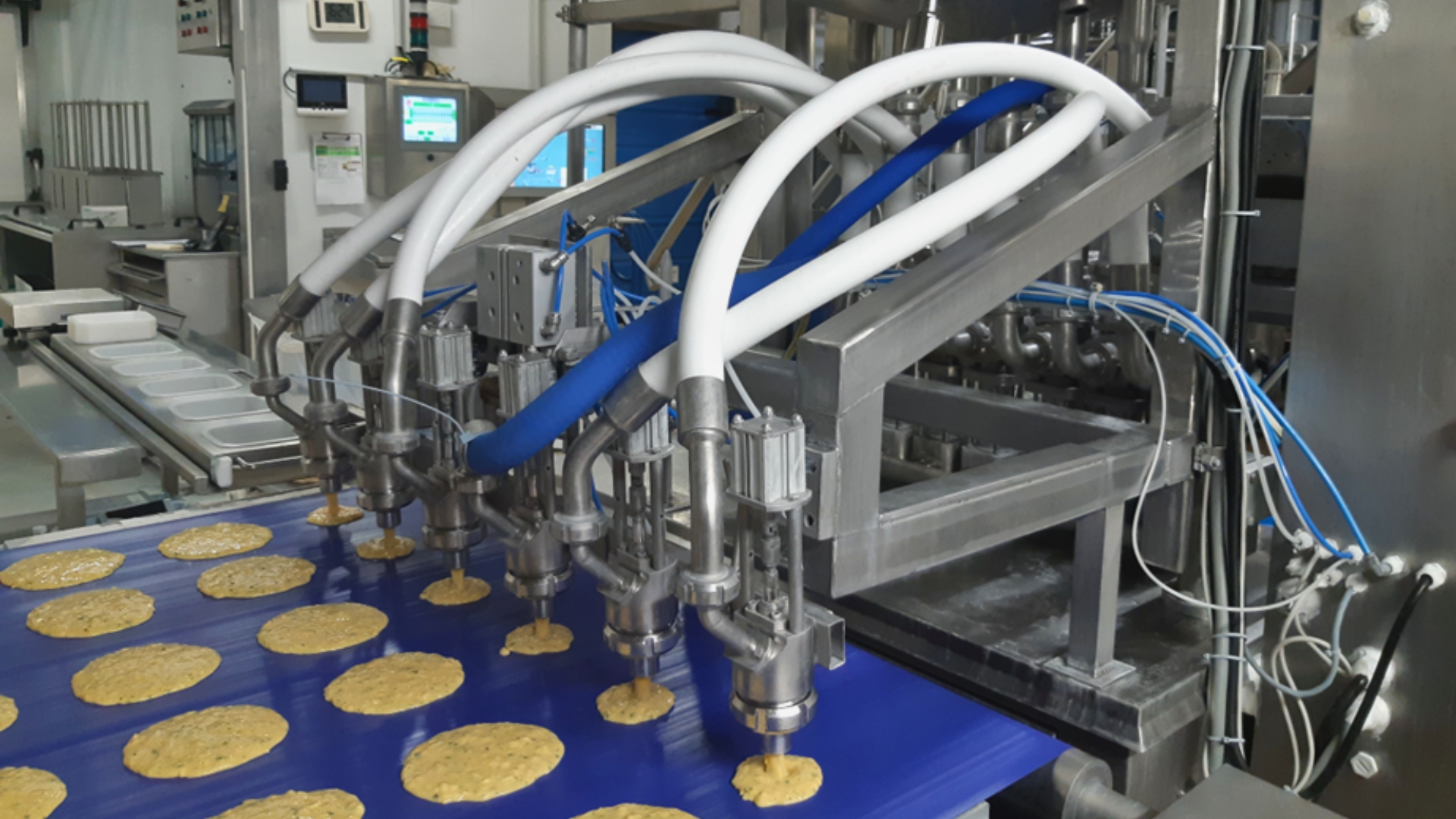
Reliable beverage mixing requires more than selecting a “food-grade” hose. It requires a structured material strategy, where each stage of the process is matched with the most appropriate hose technology.
From an engineering perspective, an effective approach considers:
-
Food-grade silicone or elastomer hoses for hygienic product transfer such as syrups, milk, juices, and fruit-based mixtures
-
Transparent silicone hoses for water and dilution circuits where visual inspection is required
-
High-performance rubber solutions (Butyl or EPDM) for specific transfer or CIP return lines exposed to frequent cleaning cycles
-
Fluoropolymer-lined hoses (PTFE or PFA) for aggressive syrups, flavor bases, or concentrate handling
-
Steam-compatible hoses used only in validated cleaning or sterilization operations
By aligning hose materials with the nature of the fluid, mechanical conditions, and cleaning protocols, manufacturers can significantly improve reliability, hygiene control, and long-term process stability.
The Value of Standardization and Lifecycle Thinking
One of the most effective improvements observed in beverage plants is the transition from fragmented hose selection to a standardized fluid transfer strategy for mixing environments.
Standardization provides clear operational benefits:
-
Consistent performance across multiple production lines and sites
-
Simplified maintenance and spare-parts management
-
Improved hygiene control and audit readiness
-
Reduced total cost of ownership through extended service life and minimized contamination risk
Equally important is adopting a lifecycle perspective, where hose selection accounts not only for installation, but also for cleaning frequency, handling conditions, replacement intervals, and long-term process reliability.
Conclusion: Treating Fluid Transfer as Part of the Process
In beverage mixing systems, hoses should not be considered secondary components. They represent a critical interface between ingredients, equipment, and hygiene requirements.
By applying a solution-oriented, engineering-driven approach to fluid transfer — treating hoses as an integrated part of the process design rather than as consumables — beverage producers can strengthen hygiene assurance, reduce operational risk, and improve long-term plant performance.
Reliable mixing does not depend only on tanks and agitators.
It depends on how fluids move between them.