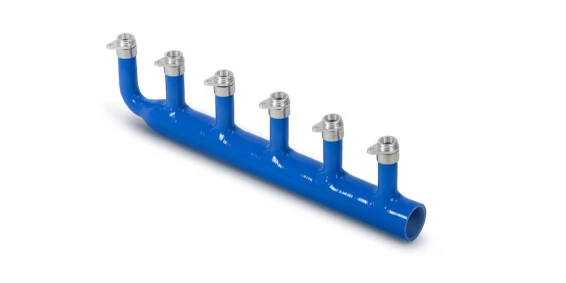
Fluid Transfer Solutions for Hydrogen Applications: Challenges and Requirements
Introduction
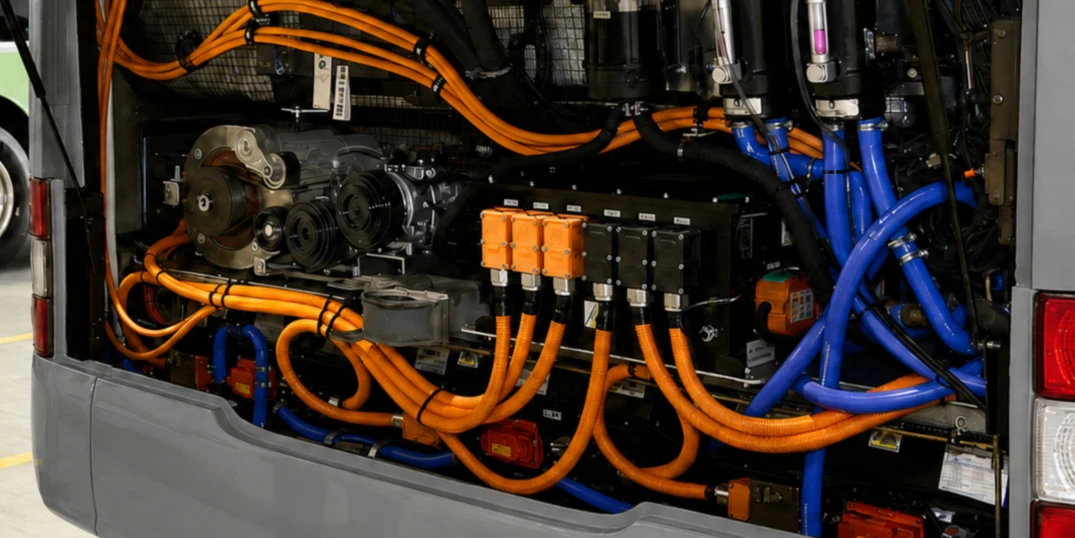
Hydrogen is becoming a key energy vector in the transition toward cleaner and more efficient systems. From PEM fuel cells and electrolyzers to hydrogen-powered mobility and industrial clean energy applications, this sector requires components capable of performing under demanding conditions.
In these systems, fluid transfer solutions play a critical role. Selecting the right hydrogen hoses and H2 hose solutions is essential to ensure safety, efficiency and long-term reliability.
Why Hydrogen Applications Require Specialized Hose Solutions
Hydrogen systems are technically demanding due to their specific operating conditions. These applications often involve gas transfer, cooling circuits, deionized water, pressure variations, thermal stress and strict cleanliness requirements.
Because of this, hoses used in hydrogen technologies must go beyond standard industrial performance. They need to support low permeability, material purity, low conductivity and reliable mechanical behavior over time.
Key Applications of Hydrogen Fluid Transfer
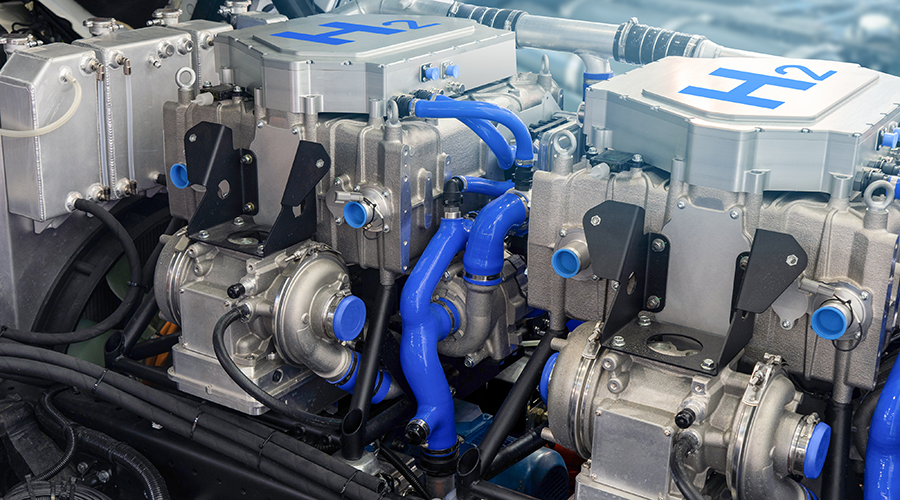
Hydrogen hose systems are commonly used in:
-
PEM fuel cells
-
Electrolyzers
-
Hydrogen production systems
-
Cooling circuits
-
Cathode and anode subsystems
-
Industrial hydrogen processes
Each application has different requirements depending on the fluid, temperature, pressure, conductivity and safety needs.
Main Challenges in Hydrogen Hose Systems
Permeation and Leakage
Hydrogen’s small molecular size makes permeation one of the main challenges in fluid transfer. Hoses must help minimize gas diffusion and reduce leakage risks.
Material Compatibility
Not all materials are suitable for hydrogen-related systems. In PEM fuel cells and electrolyzers, materials must be selected carefully to avoid degradation, contamination or performance loss.
Conductivity and Purity
Some hydrogen applications, especially cooling circuits, require very low conductivity and clean materials to prevent contamination of sensitive system components.
Thermal and Mechanical Stress
Hydrogen systems may operate under demanding temperature, pressure and movement conditions. Hoses must maintain flexibility, stability and resistance over time.
Safety Requirements
Due to hydrogen’s flammability, hose selection must consider leak tightness, material behavior and, when required, flame-retardant performance.
Requirements for Hydrogen Hose Solutions
Reliable hose solutions for hydrogen applications should offer:
-
Low permeability
-
Low conductivity
-
High material purity
-
Resistance to thermal and mechanical stress
-
Compatibility with deionized water, coolants or hydrogen-related media
-
Reliable performance in demanding clean energy systems
The right solution depends on the specific subsystem, whether it is used for gas transfer, cooling, cathode, anode or auxiliary lines.
Venair Solutions for Hydrogen Technologies
Venair develops hose solutions specifically designed for PEM fuel cells and electrolyzers, supporting key requirements such as low permeability, low conductivity, purity, flexibility and thermal resistance.
Depending on the application, Venair solutions can be used in cooling circuits, anode and cathode lines, and other critical fluid transfer points within hydrogen systems.
This application-specific approach helps manufacturers improve system reliability, reduce leakage risks and support the performance of clean energy technologies.
Engineering Considerations
A reliable hydrogen fluid transfer system also depends on proper system design. Key factors include:
-
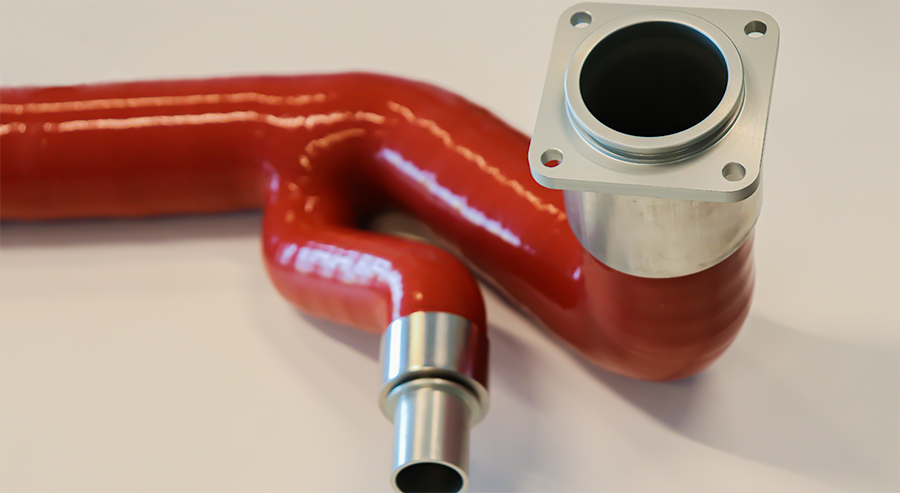
Correct hose routing
-
Secure sealing and connections
-
Minimizing potential leak points
-
Compatibility with pressure and temperature conditions
-
Selecting the right hose for each subsystem
In hydrogen applications, there is no one-size-fits-all solution. The hose must be selected according to the real operating conditions of the system.
Conclusion
Hydrogen technologies require specialized fluid transfer solutions capable of addressing challenges such as permeability, purity, conductivity, safety and long-term reliability.
By selecting the right hydrogen hoses and H2 hose solutions, manufacturers of PEM fuel cells, electrolyzers and clean energy systems can improve performance, safety and efficiency in demanding applications.