CIP Cleaning in Food Processing: How to Choose the Right Hose
Introduction
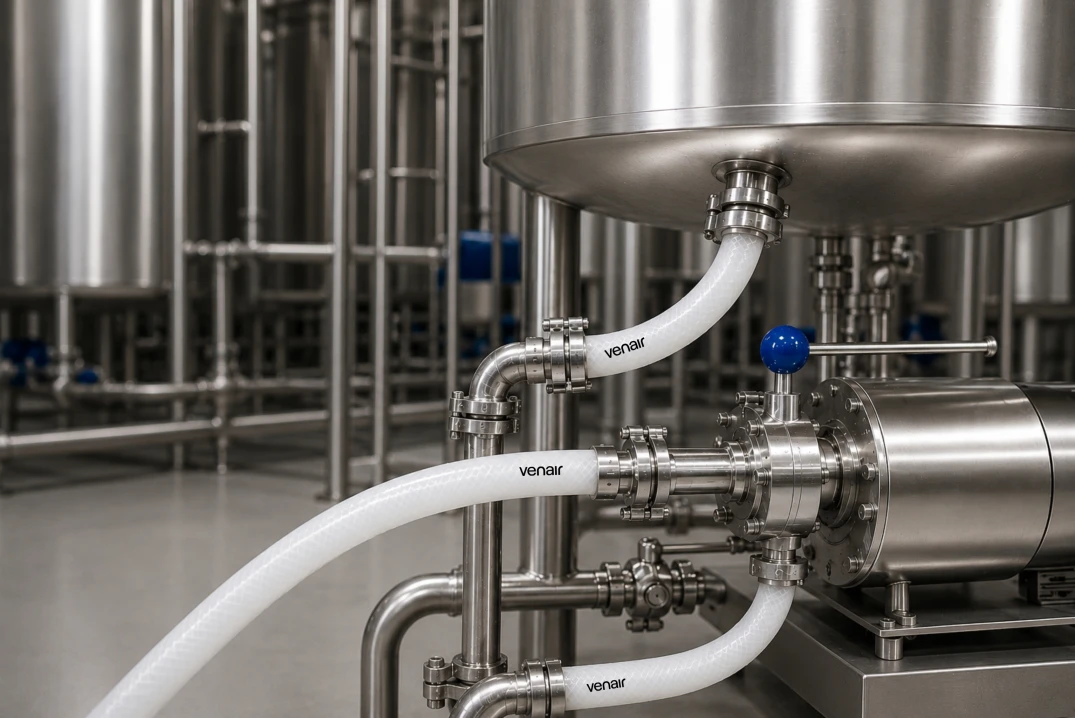
Clean-in-Place (CIP) systems are essential in modern food processing facilities, enabling efficient cleaning of equipment without disassembly. However, the effectiveness of these systems depends heavily on the performance of one often overlooked component: the hose.
Selecting the right CIP food grade hoses is critical to ensuring proper cleaning, maintaining hygiene standards, and extending equipment lifespan.
What Is CIP and Why It Matters
CIP (Clean-in-Place) is a cleaning method used to remove residues, bacteria, and contaminants from processing equipment using automated cycles of water, chemicals, and heat.
Typical CIP processes include:
-
Pre-rinse with water
-
Circulation of cleaning chemicals (alkaline or acidic)
-
Intermediate rinsing
-
Final sanitization
Hoses used in these systems must endure repeated exposure to harsh conditions without degrading.
Key Challenges for Hoses in CIP Systems
CIP environments are highly demanding. The main challenges include:
Chemical Exposure
Cleaning agents can be highly corrosive, requiring hoses with strong chemical resistance.
High Temperatures
CIP cycles often involve hot water or steam, which can exceed 80–120 °C depending on the process.
Pressure Variations
Fluid circulation during CIP involves pressure changes that can stress hose structures.
Frequent Cleaning Cycles
Repeated cycles accelerate wear and tear if hoses are not designed for durability.
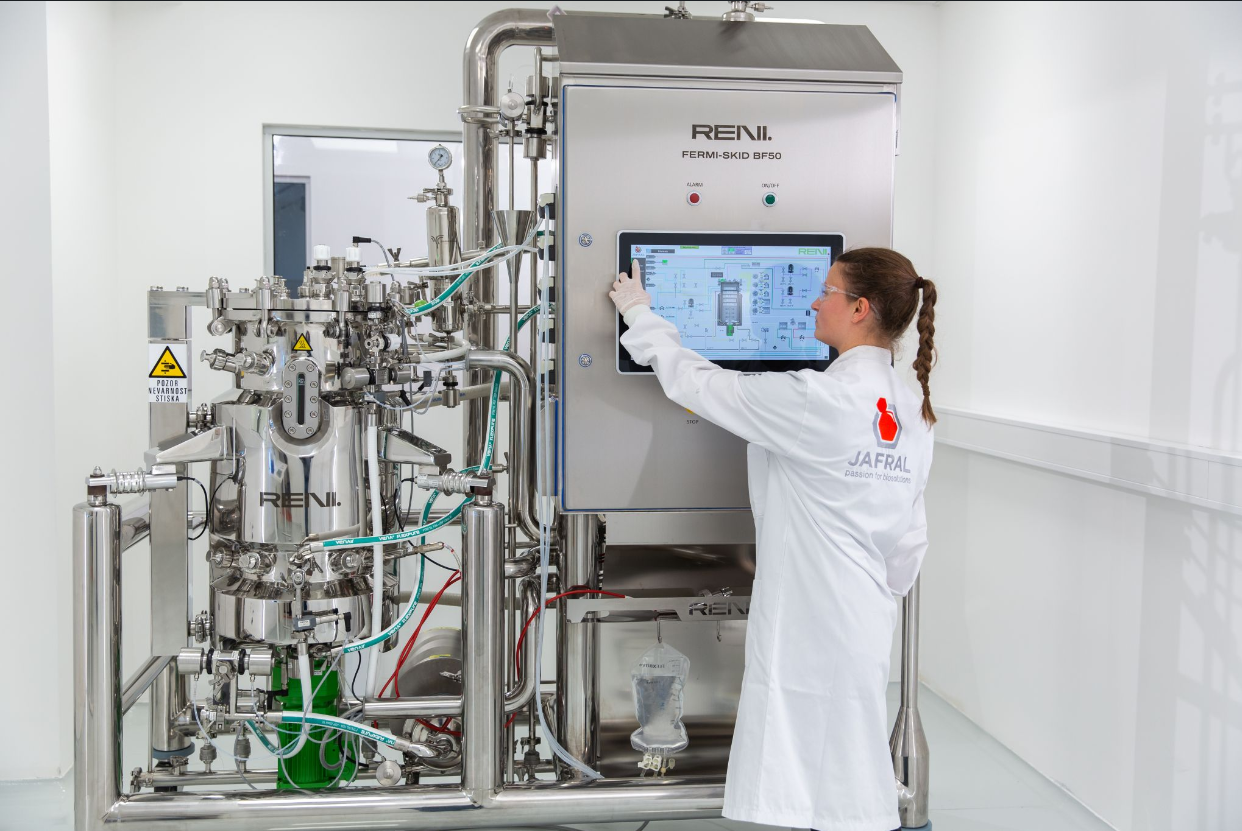
How to Choose the Right CIP Food Grade Hose
Selecting the appropriate hose involves evaluating several critical factors:
1. Material Compatibility
Materials must resist both cleaning chemicals and the products being processed. Common choices include:
-
Platinum-cured silicone for flexibility and purity
-
PTFE for high chemical resistance
2. Temperature Resistance
Ensure the hose can handle the maximum temperatures of both the process and cleaning cycles without deformation.
3. Smooth Internal Surface
A smooth bore ensures efficient cleaning by preventing residue accumulation and facilitating fluid flow.
4. Reinforcement Structure
Hoses should maintain their shape under pressure and vacuum conditions, avoiding collapse or deformation.
5. Compliance with Food Regulations
Even during cleaning, hoses must comply with food contact regulations, ensuring no contamination risk.
Common Mistakes to Avoid
When selecting hoses for CIP systems, companies often overlook critical aspects:
-
Using standard industrial hoses instead of food grade hoses
-
Ignoring chemical compatibility with cleaning agents
-
Underestimating temperature requirements
-
Failing to consider long-term durability
These mistakes can lead to premature hose failure, contamination risks, and increased maintenance costs.
Benefits of Optimized CIP Hose Selection
Choosing the right CIP food grade hose provides several advantages:
-
Improved cleaning efficiency
-
Reduced water and chemical consumption
-
Longer hose lifespan
-
Enhanced food safety compliance
-
Lower total cost of ownership
Conclusion
CIP systems are only as effective as the components that support them. Selecting the right CIP food grade hoses ensures reliable cleaning performance, protects product integrity, and supports efficient operations.
For food manufacturers aiming to meet the highest hygiene standards, investing in properly engineered hose solutions is essential.