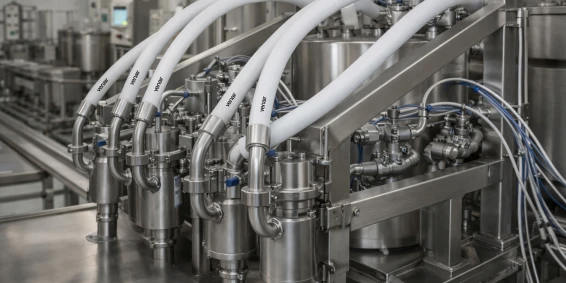
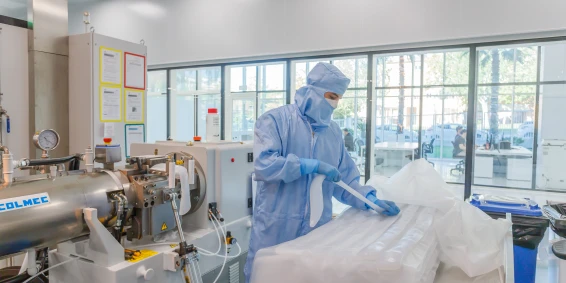
Cleanroom Fluid Transfer Systems for Critical Processes
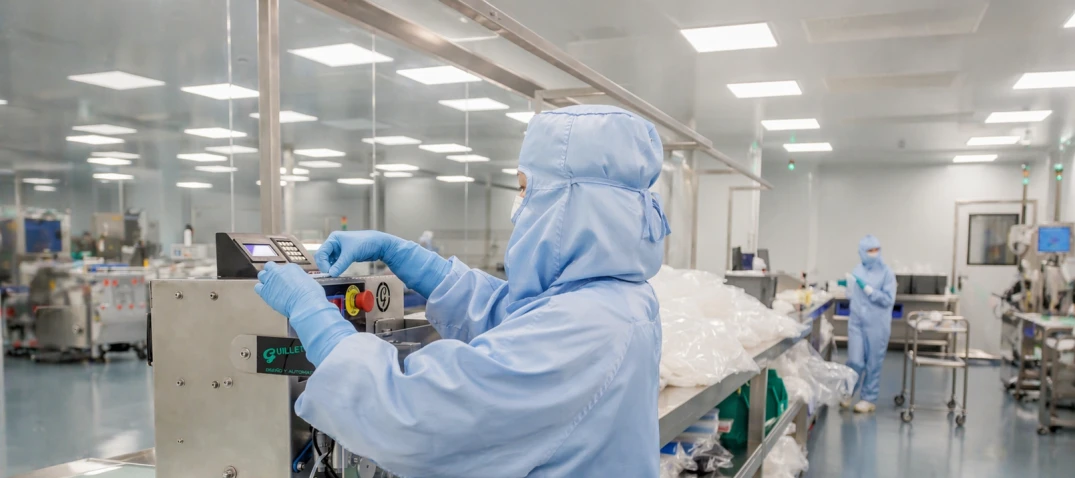
Why Cleanroom Fluid Transfer Is Critical
In industries such as biopharma, pharmaceutical manufacturing, medical devices, and biotechnology, cleanroom environments are designed to ensure strict contamination control and process reliability.
However, one of the most critical—yet often overlooked—elements is the fluid transfer system. Hoses and tubing are in direct contact with process media, making them essential to maintaining GMP compliance, product quality, and sterility assurance.
As cleanroom standards continue to evolve, companies are increasingly seeking high-purity tubing, cleanroom-compatible hoses, and validated fluid transfer solutions capable of operating reliably under demanding conditions.
Key Challenges in Cleanroom & Critical Processes
Cleanroom environments require components that go far beyond standard industrial performance. The main challenges include:
-
Contamination control
Materials must minimize particle shedding, prevent extractables and leachables (E&L), and inhibit microbial growth. -
CIP/SIP and sterilization resistance
Fluid transfer systems must withstand repeated exposure to clean-in-place (CIP), steam-in-place (SIP), autoclave cycles, and gamma sterilization without degradation. -
Condensation in controlled environments
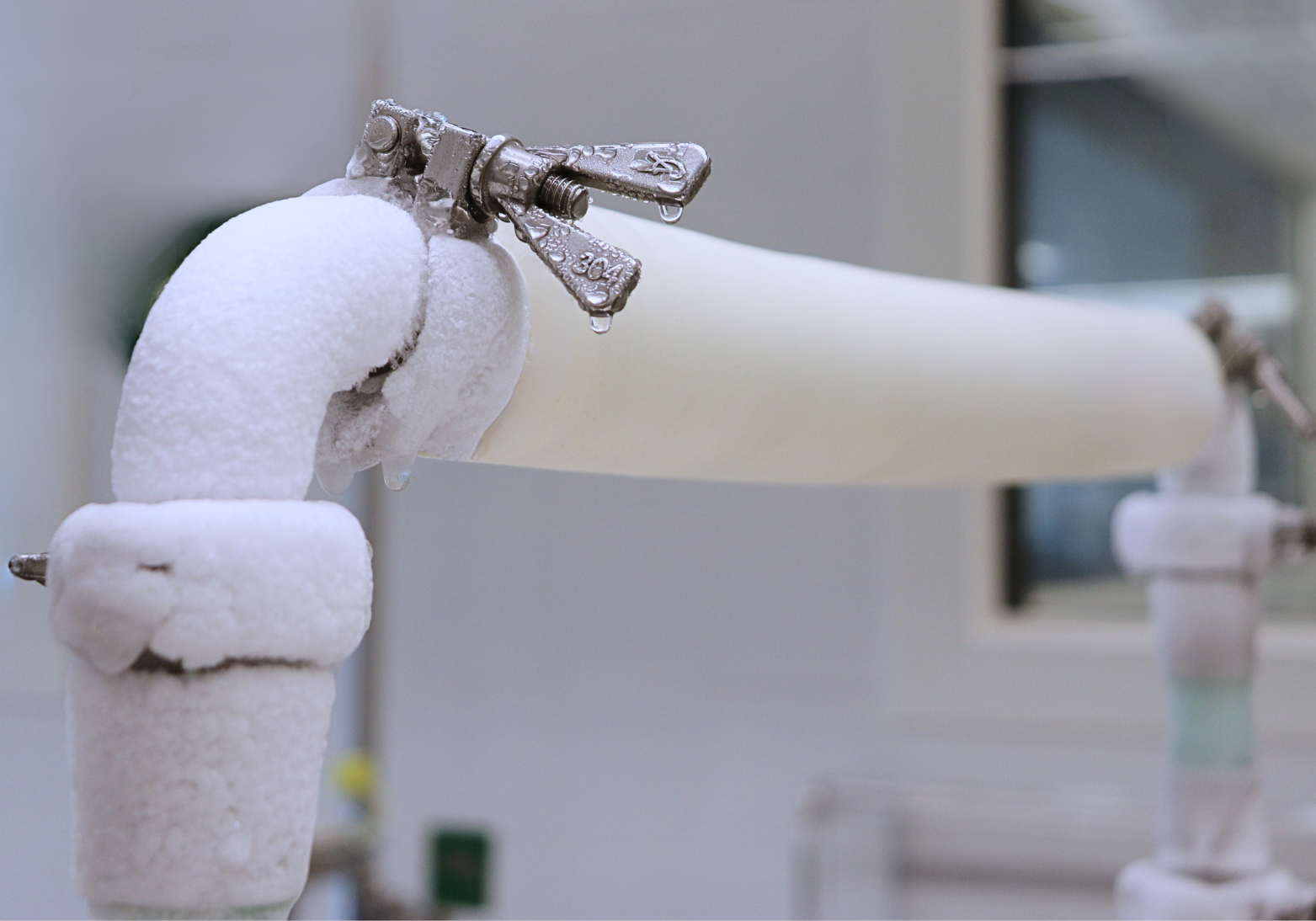
Temperature-controlled fluids, such as water glycol or chilled water, can generate condensation, increasing contamination risks within GMP cleanrooms. -
Complex installation constraints
Limited space requires flexible hose solutions with tight bend radius and high mechanical resistance to ensure reliable installation.
These challenges directly impact validation processes, operational efficiency, and the risk of unplanned downtime.
What Defines a Cleanroom-Ready Fluid Transfer Solution
To meet the strict requirements of regulated industries, fluid transfer systems must be specifically engineered for cleanroom use. Key characteristics include:
-
Platinum-cured silicone tubing and fluoropolymer hoses (PTFE, PFA, FEP)
-
Compliance with FDA, USP Class VI, and EU 1935/2004 standards
-
Low extractables and leachables (E&L) profile
-
High resistance to temperature, pressure, and aggressive chemicals
-
Full traceability and comprehensive validation documentation
Consistency is critical. Variability between batches or suppliers can compromise process validation and increase regulatory risks.
Venair Solutions for Cleanroom Applications
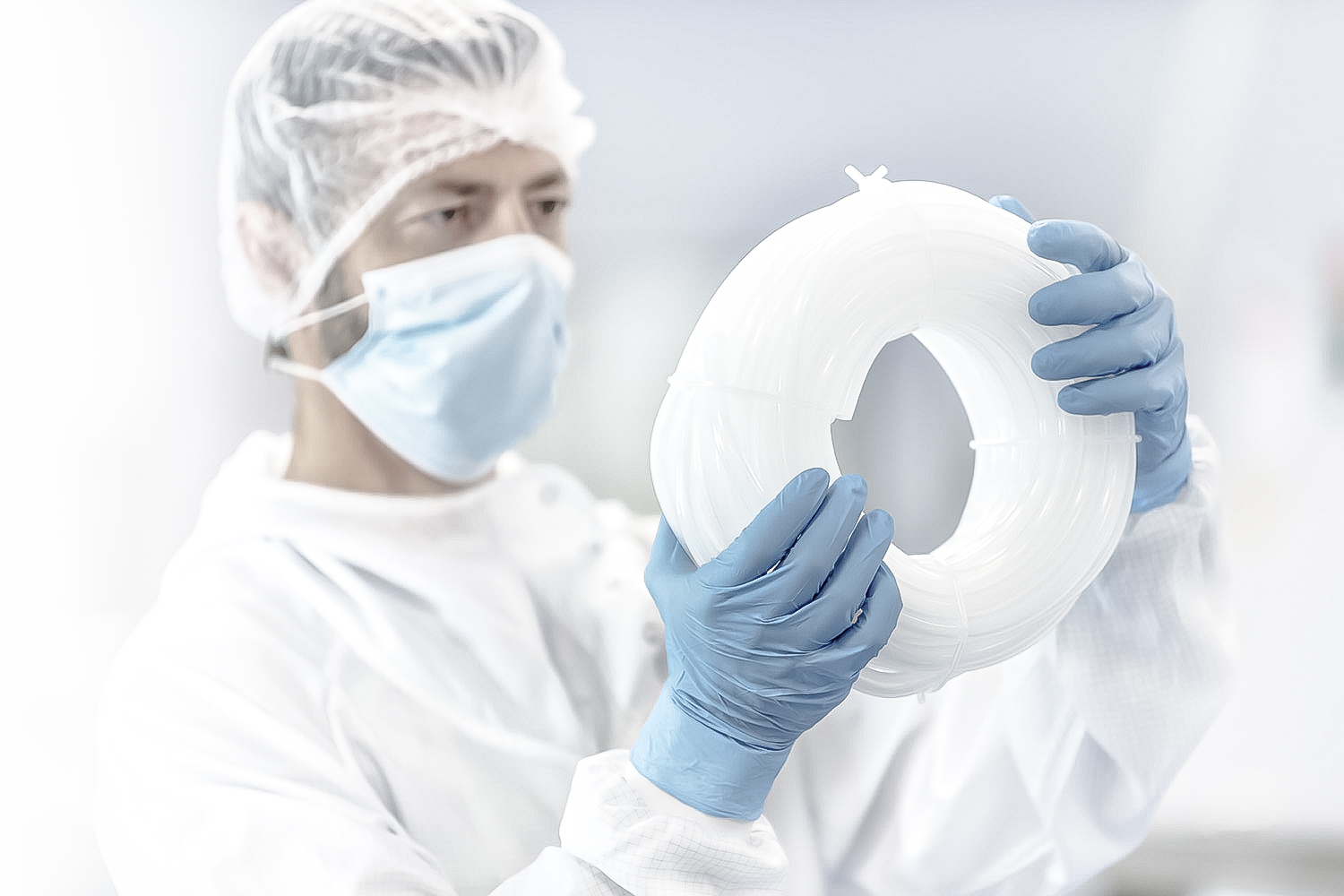
Venair develops fluid transfer solutions specifically designed for critical cleanroom processes in regulated industries.
-
High-purity materials
Advanced platinum-cured silicone and PTFE-based hoses ensure chemical inertness and long-term performance. -
Cleanroom manufacturing
Production in controlled environments reduces contamination risks and supports compliance with GMP standards. -
Anti-condensation solutions
Insulated hose assemblies help prevent condensation in temperature-controlled systems, improving safety and maintaining cleanroom stability. -
Custom hose assemblies
Tailored solutions adapt to complex installations, ensuring optimal performance in bioprocessing, pharmaceutical, and biotech applications.
Benefits for End Users
Selecting the right cleanroom tubing and hose systems enables manufacturers to:
-
Improve process reliability and minimize contamination risks
-
Simplify qualification and validation processes
-
Ensure regulatory compliance
-
Reduce maintenance needs and operational costs
In critical environments, optimized fluid transfer systems have a direct impact on product quality and overall production efficiency.
Conclusion
In cleanroom environments, fluid transfer systems are not just components—they are a fundamental part of process control and contamination prevention.
As demand grows for GMP-compliant, high-purity solutions, companies must prioritize fluid transfer systems specifically engineered for critical processes.
Venair addresses these needs by delivering reliable, validated, and high-performance solutions tailored for cleanroom applications.