Fuel Cell Fluid Systems: Managing Hydrogen, Coolant and Air Circuits
Introduction
As fuel cell technologies continue to expand across mobility, stationary power generation, and industrial applications, the performance of the overall system depends heavily on effective fluid management.
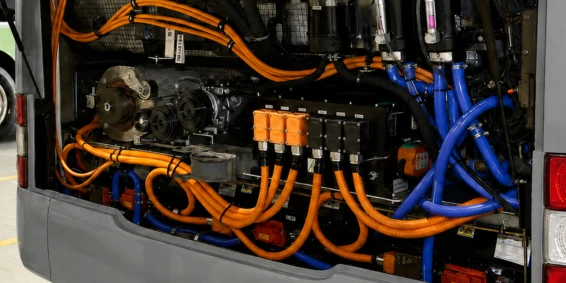
In Proton Exchange Membrane (PEM) fuel cells, multiple media must be transported simultaneously, including hydrogen, air, coolant, and water. Each circuit operates under different conditions and presents unique engineering challenges.
Understanding how these fluid systems interact is essential for maximizing efficiency, reliability, and operational lifespan.
The Main Fluid Circuits in Fuel Cell Systems
A PEM fuel cell relies on several interconnected circuits:
Hydrogen Distribution
Hydrogen is supplied to the anode side of the stack and must be transported safely while minimizing leakage and pressure losses.
Low-permeability materials and reliable sealing solutions help maintain system efficiency and support safe operation.
Air Supply Circuit
The cathode side receives filtered air or oxygen to enable the electrochemical reaction.
Air distribution lines must provide consistent flow while accommodating compact system layouts and vibration conditions.
Cooling Circuit
Fuel cells generate heat during operation and require continuous thermal regulation.
Coolant circuits maintain the stack within its optimal operating temperature range, helping preserve efficiency and component durability.
Water Management
Proper humidification is essential for membrane performance.
Insufficient humidity can reduce conductivity, while excess water may cause flooding inside the stack. Effective water management helps maintain stable operation.
Hose Requirements Across Fuel Cell Fluid Systems
Because each circuit operates under different conditions, fluid transfer components must provide:
- Low permeability for hydrogen applications
- Chemical compatibility with coolants and process fluids
- Thermal stability during continuous operation
- Flexibility for compact installations
- Long-term reliability under dynamic conditions
Solutions for Fuel Cell Integration
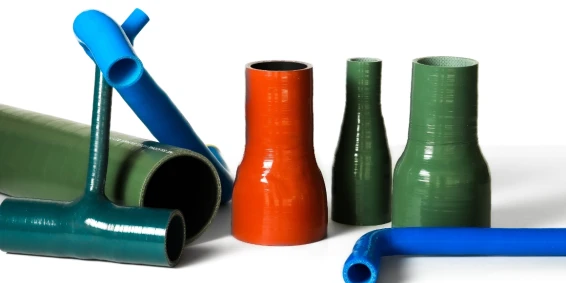
Different circuits often require different hose technologies depending on operating conditions.
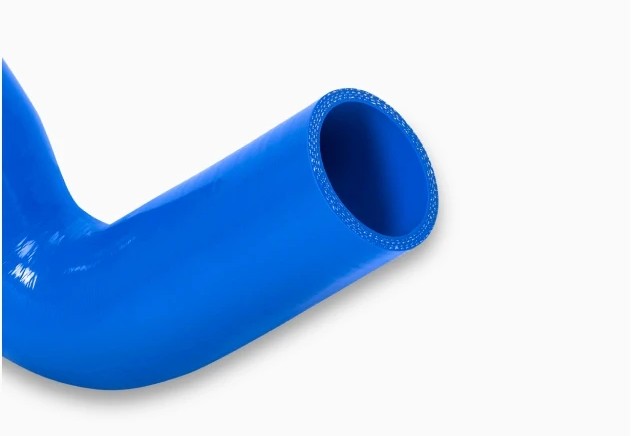
For coolant management applications, solutions such as Vena® PEM COOL are specifically developed to support thermal regulation within fuel cell systems.
For hydrogen transfer and stack-related applications, engineered hose solutions can help reduce permeability while maintaining flexibility and system integration requirements.
Vena® PEM COOL |
 |
Supporting Efficient Fuel Cell Performance
Well-designed fuel cell fluid systems contribute to:
- Stable operating temperatures
- Improved energy efficiency
- Reduced maintenance requirements
- Enhanced system reliability
- Longer service life
As fuel cell technologies continue to evolve, optimizing the interaction between hydrogen, air, coolant, and water circuits becomes increasingly important for achieving consistent performance.
Conclusion
Fuel cell fluid systems are fundamental to the performance of PEM technologies. By carefully managing hydrogen distribution, cooling, air supply, and water control, manufacturers can improve efficiency, reliability, and durability across a wide range of hydrogen-powered applications.