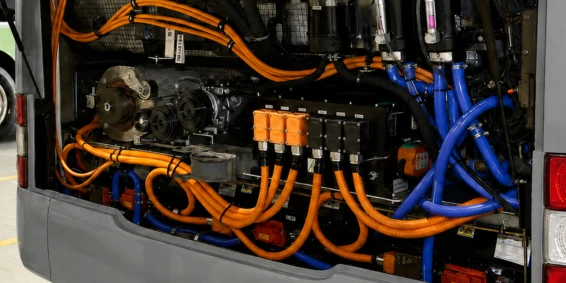
Material Compatibility in Hydrogen Systems: What You Need to Know
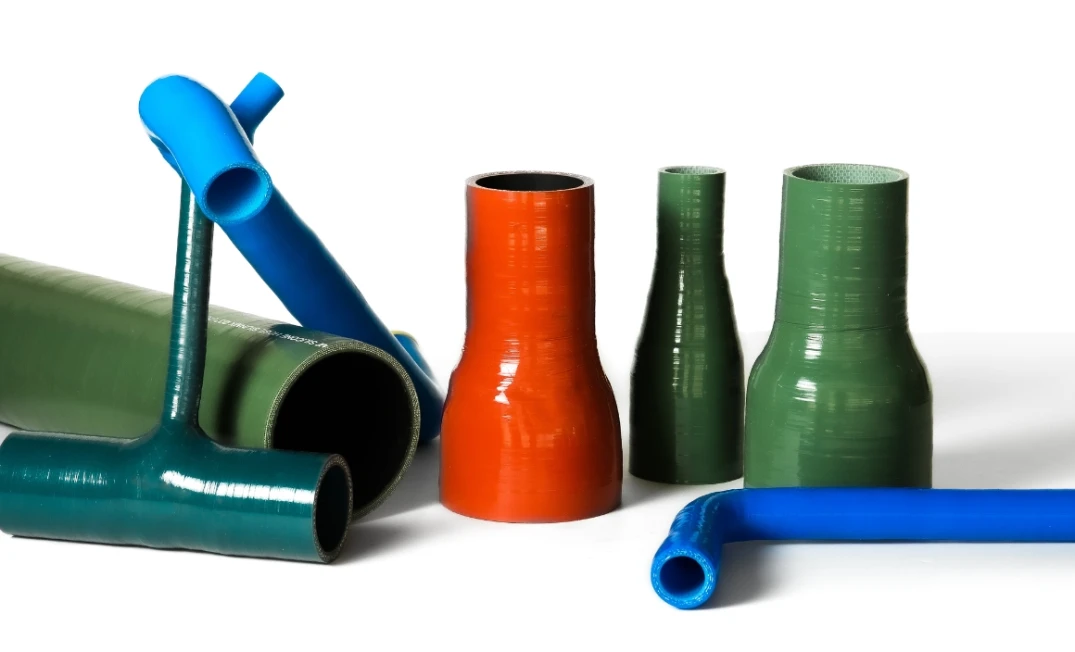
Introduction
Material selection is one of the most critical factors in the design of hydrogen systems. Due to hydrogen’s unique properties, not all materials perform reliably under hydrogen exposure.
Understanding hydrogen compatibility materials is essential to ensure safety, durability, low contamination risk, and long-term system performance in applications such as PEM fuel cells, electrolyzers, cooling circuits, DI water systems, and hydrogen-related fluid transfer lines.
Why Material Compatibility Matters in Hydrogen
Hydrogen systems are technically demanding because they often involve gas transfer, cooling circuits, deionized water, pressure variations, thermal stress, and strict cleanliness requirements.
Poor material selection can lead to:
-
Increased permeability and leakage risks
-
Material degradation over time
-
Contamination of sensitive system components
-
Conductivity issues in cooling or DI water circuits
-
Reduced mechanical performance
-
System reliability problems
For this reason, choosing the right hydrogen compatibility materials is a key requirement in Clean Energy applications.
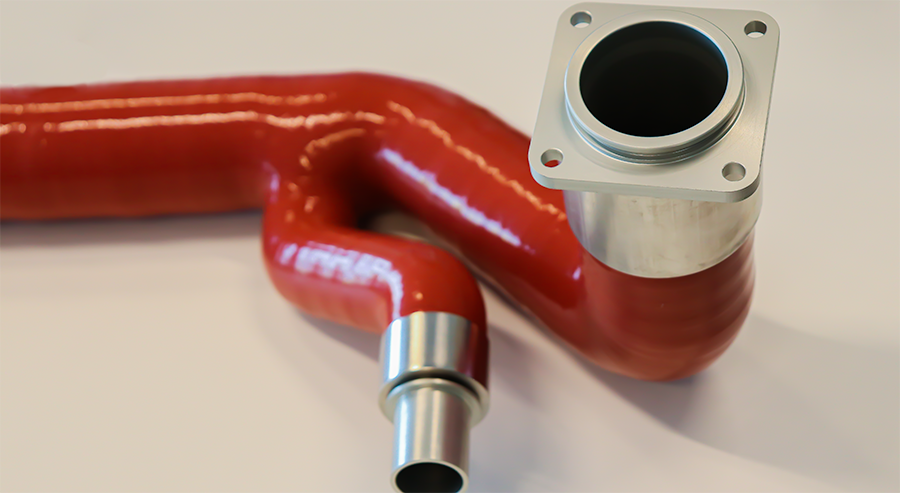
Key Factors Affecting Material Compatibility
-
Permeability
Hydrogen’s small molecular size makes permeation one of the main challenges in hydrogen applications. Materials used in hydrogen systems must help minimize gas diffusion and reduce leakage risks.
-
Material Purity
In PEM fuel cells and electrolyzers, material purity is essential. Components must avoid releasing substances that could contaminate sensitive parts of the system or reduce performance.
-
Low Conductivity
Some hydrogen-related applications, especially cooling circuits and DI water systems, require materials that help maintain low electrical conductivity and prevent contamination of the medium.
-
Temperature and Pressure Resistance
Hydrogen technologies may operate under demanding temperature, pressure, and movement conditions. Materials must maintain flexibility, stability, and mechanical resistance over time.
-
Flame-Retardant Performance
Due to hydrogen’s flammability, material selection must also consider safety requirements, leak tightness, and, when needed, flame-retardant behavior.
Common Material Requirements in Hydrogen Systems
In Clean Energy applications, materials are selected according to the specific subsystem:
-
Anode and Cathode Lines
These areas often require materials with low permeability, low leachables, and reliable behavior under hydrogen-related operating conditions.
-
Cooling Circuits
Cooling lines require flexible materials that can withstand temperature variations while helping maintain system cleanliness and low conductivity.
-
DI Water Systems
Deionized water circuits require materials that help preserve the purity of the medium and reduce the risk of conductivity increase.
Venair Solutions for Hydrogen Technologies
Venair develops hose solutions specifically designed for PEM fuel cells and electrolyzers, supporting requirements such as low permeability, low conductivity, purity, flexibility, and thermal resistance.
Relevant Clean Energy solutions include:
Designed for applications where strict minimum permeability requirements are needed. It is especially relevant for anode systems and can also be used in cathode, coolant, and DI water subsystems depending on the application requirements.
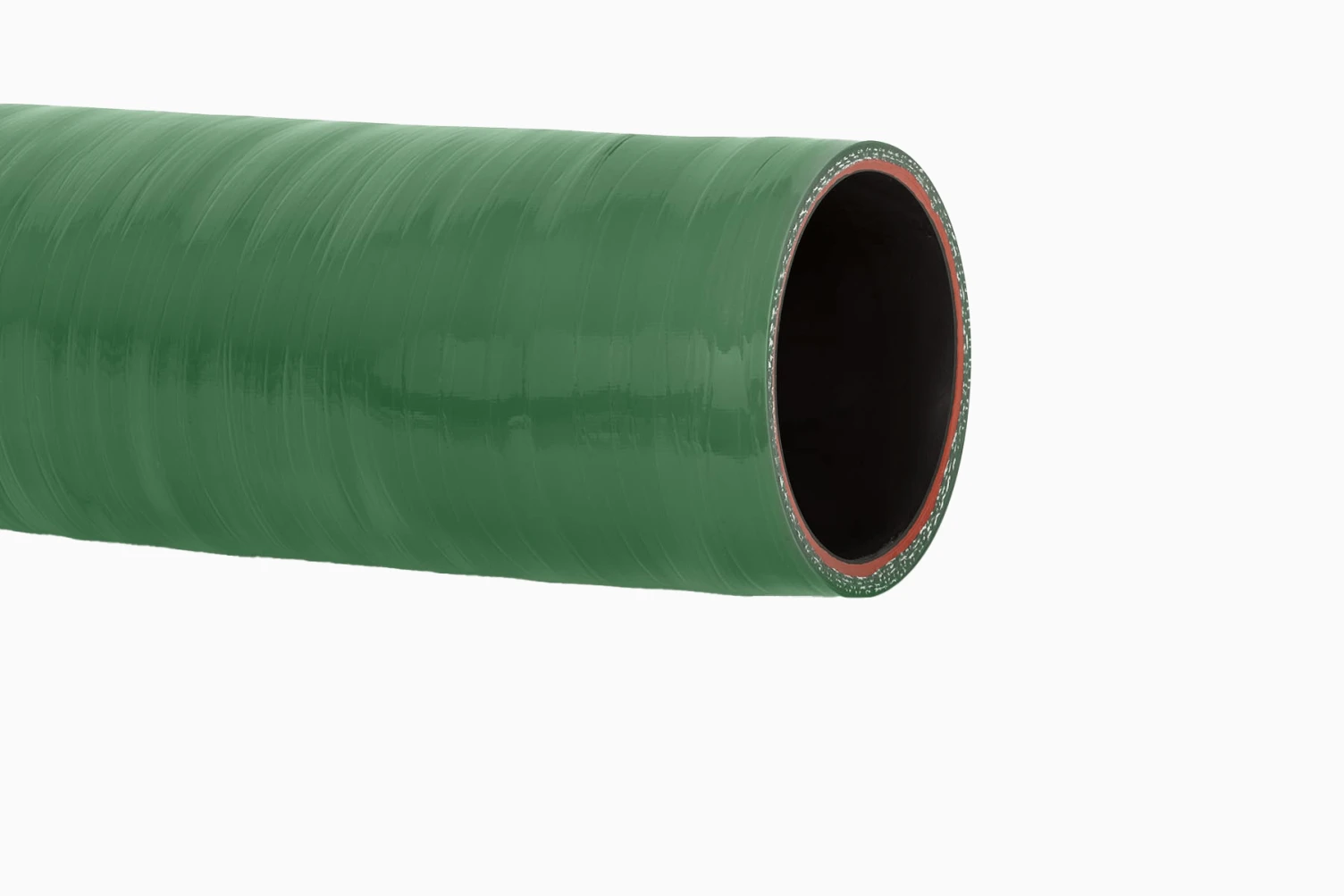 |
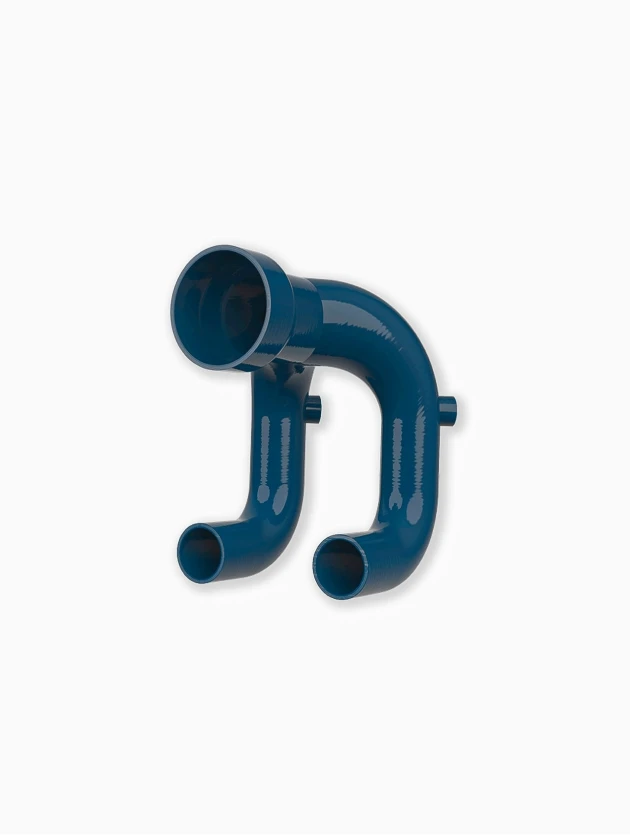
Developed for PEM fuel cell systems, offering low permeability, low electrical conductivity, low leachables, and high flexibility. It can be used in anode, cathode, DI water, and cooling applications.
 |
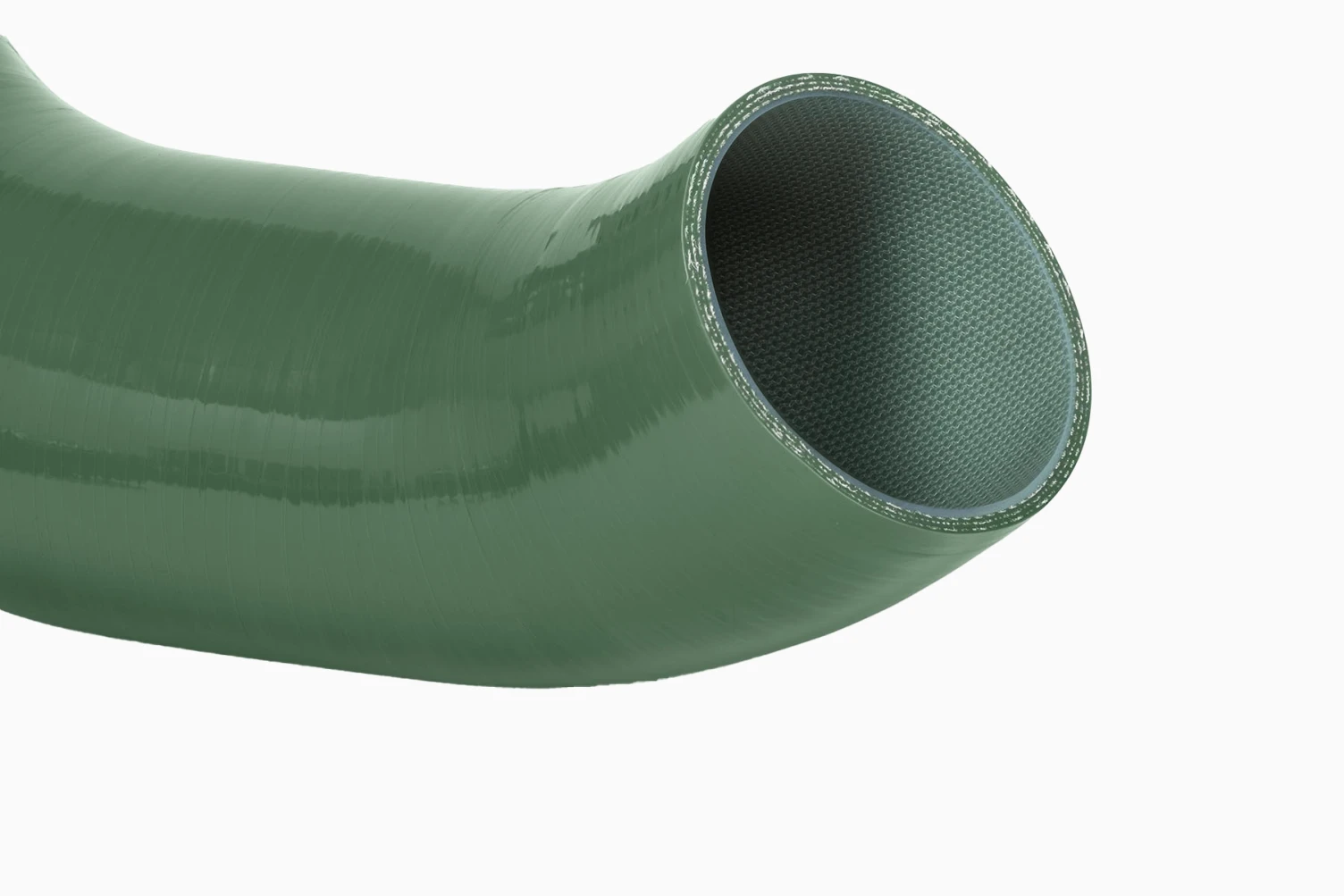
Recommended for applications requiring low levels of critical pollutants, especially in coolant and DI water systems, and also in cathode applications.
 |
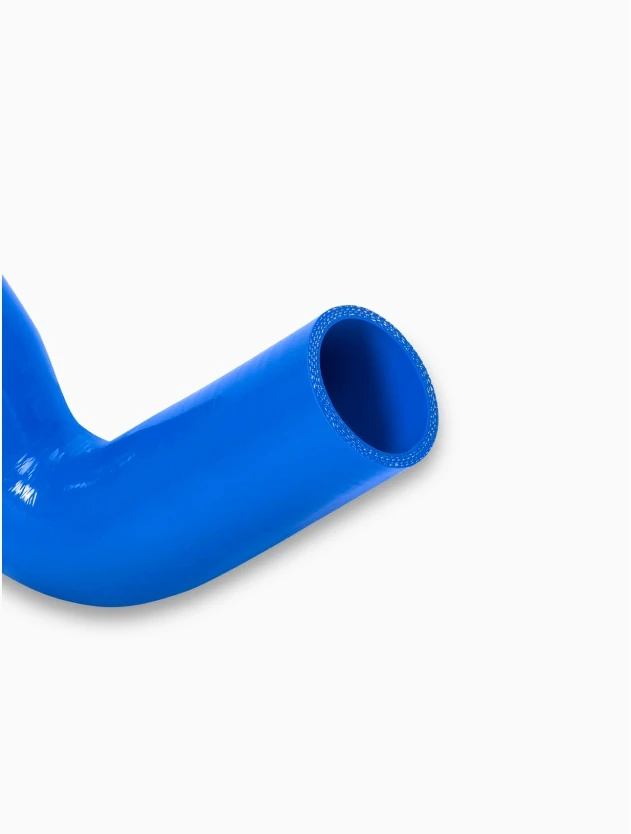
Specially designed for deionized water and coolant systems, helping support low electrical conductivity, high flexibility, and system cleanliness.
 |
Selecting the Right Material for Hydrogen Applications
Material selection should consider:
-
Application type: anode, cathode, cooling, DI water, or auxiliary line
-
Operating pressure and temperature
-
Permeability requirements
-
Conductivity requirements
-
Cleanliness and leachables control
-
Flexibility and installation geometry
-
Safety and flame-retardant needs
-
Expected lifespan and durability
There is no universal solution for all hydrogen systems. The right material depends on the real operating conditions of each subsystem.
Reducing Risks Through Proper Material Selection
Using compatible materials allows manufacturers to:
-
Minimize leakage and permeation risks
-
Improve system safety
-
Reduce contamination risks
-
Maintain low conductivity in sensitive circuits
-
Extend component lifespan
-
Ensure reliable performance in Clean Energy systems
Conclusion
Material compatibility is a fundamental aspect of hydrogen system design, directly impacting safety, performance, cleanliness, and long-term reliability.
By understanding hydrogen compatibility materials and selecting hose solutions according to each subsystem, manufacturers of PEM fuel cells, electrolyzers, and Clean Energy systems can improve performance and reduce risks in demanding hydrogen applications.