Fluid Transfer Systems in Pharmaceutical Manufacturing: Key Requirements for Good Manufacturing Practices Compliance
Introduction
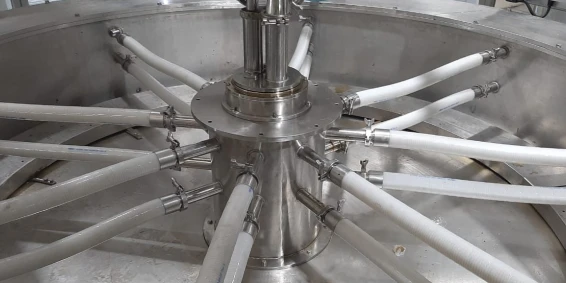
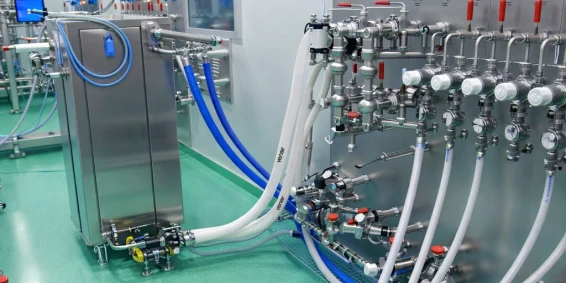
In pharmaceutical manufacturing, every component in contact with the product plays a key role in safety, quality, and compliance. This includes pharma tubing and hose systems used to transfer liquids, semi-liquids, and sensitive process media.
Because these systems are often in direct contact with the product, selecting the right pharmaceutical hoses is essential to support Good Manufacturing Practices fluid transfer, reduce contamination risks, and ensure reliable performance throughout the production process.
Why Fluid Transfer Matters in Pharma
Fluid transfer systems are used in several stages of pharmaceutical production, including API transfer, formulation, filtration, filling, and cleaning processes such as CIP and SIP.
In these applications, hoses and tubing must do more than simply move fluids. They must help maintain product purity, withstand cleaning and sterilization cycles, and provide consistent performance across batches.
Key Requirements for GMP Fluid Transfer
To support GMP compliance, pharma tubing and pharmaceutical hoses must meet strict technical and regulatory requirements.
Key aspects include:
-
Material compliance with standards such as FDA, USP Class VI, EU 1935/2004, or ISO 10993, depending on the application.
-
Cleanability and sterilization resistance, including compatibility with CIP, SIP, autoclaving, or gamma sterilization.
-
Low extractables and leachables, helping reduce the risk of product contamination.
-
Smooth inner surfaces, supporting hygiene and reducing particle retention.
-
Traceability and documentation, including batch traceability, certificates, and validation data.
These requirements make hose selection a critical engineering decision in pharmaceutical manufacturing.

Venair Solutions for Pharmaceutical Applications
Venair offers different hose solutions designed to support reliable and compliant fluid transfer in pharmaceutical and biopharmaceutical environments.
-
VENABIO® Flow Multipurpose is suitable for high-purity applications requiring flexibility, biocompatibility, and low extractables. Its platinum-cured silicone construction, smooth inner layer, autoclavable design, and gamma irradiation availability make it a reliable option for demanding production processes.
-
Vena® Flexpure is a flexible PTFE hose solution designed for liquid and semi-liquid transfer. It is especially useful in applications where chemical compatibility, cleanability, and hygienic design are important.
-
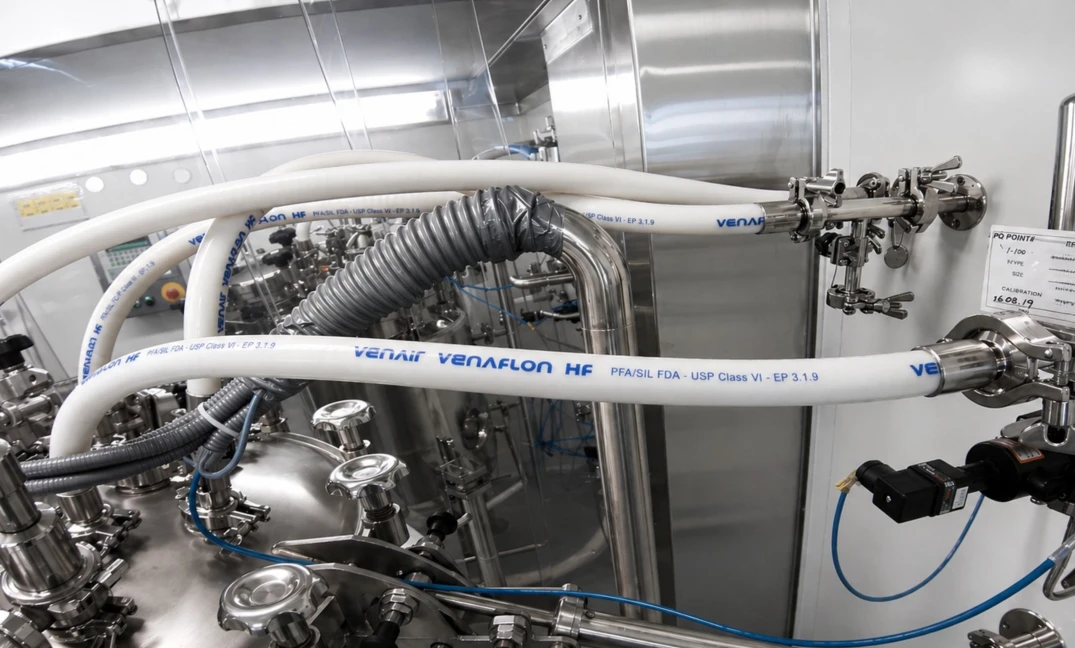
Venaflon® HR is recommended for more demanding chemical transfer applications. Its PFA inner layer makes it suitable for high-purity fluids, filling machines, and long product transfer lines between tanks.
Benefits of Choosing the Right Hose System
Using the right GMP fluid transfer solution helps pharmaceutical manufacturers:
-
Protect product integrity
-
Reduce contamination risks
-
Support regulatory compliance
-
Improve cleaning and sterilization performance
-
Maintain process reliability
Conclusion
In pharmaceutical manufacturing, fluid transfer systems are not secondary components. They are essential to product quality, process safety, and GMP compliance.
By selecting the right pharma tubing, pharmaceutical hoses, and GMP fluid transfer solutions, manufacturers can improve reliability, reduce risk, and support safe and efficient production processes.