
Articles

Juice Processing Hoses: Choosing the Right Solution for Transfer and Filling

4 min read

Flexibility, material compatibility and cleaning conditions are key to selecting reliable hose connections for juice and beverage production.

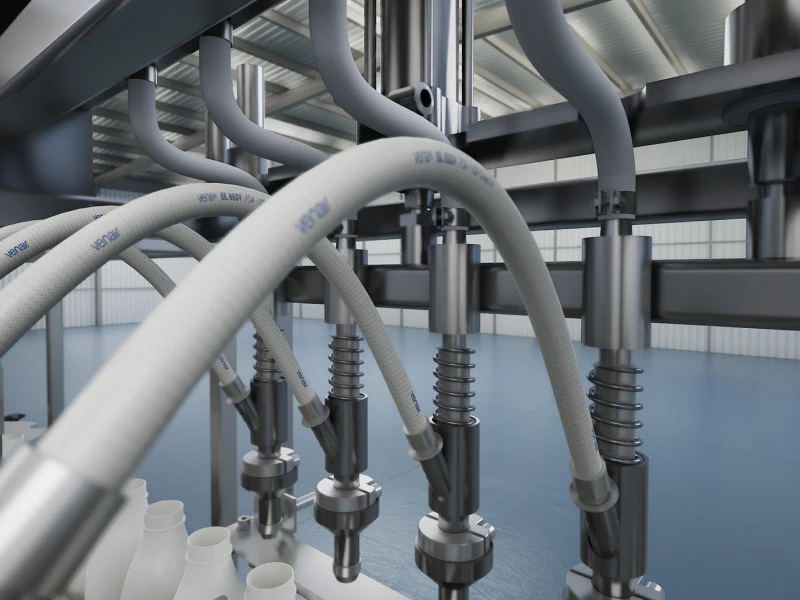
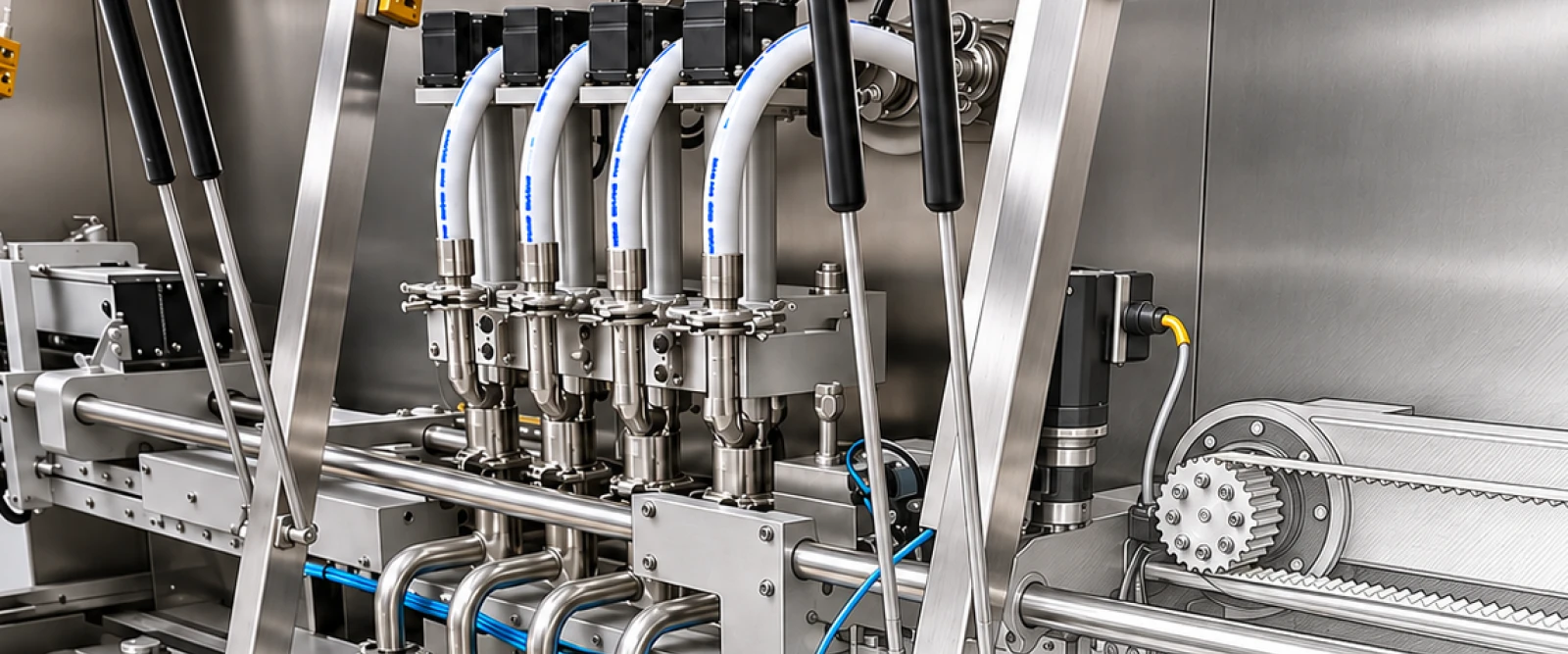
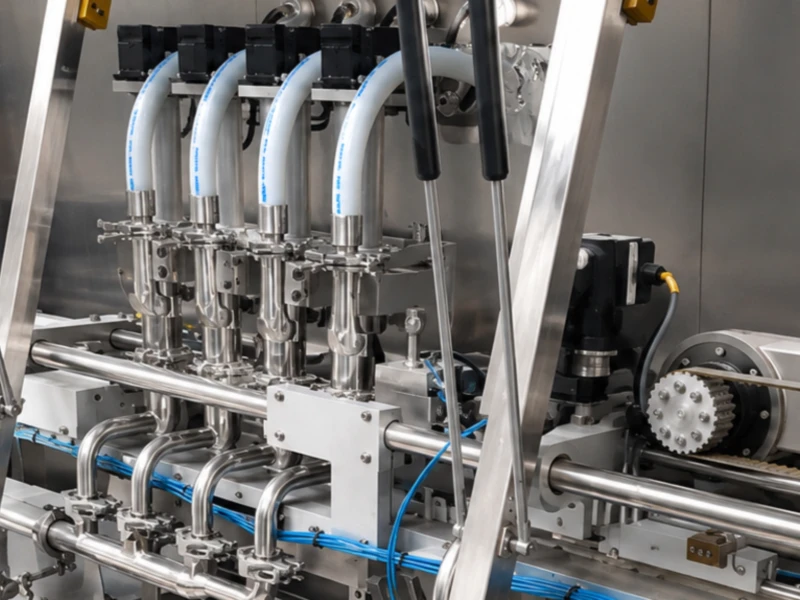
In a juice filling machine, flexible connections must fit the equipment layout and, where required, accommodate repeated movement and vibration. They must also remain compatible with the beverage and withstand the conditions used to clean the line.

Selecting juice processing hoses therefore requires an assessment of both production and cleaning conditions. A flexible connection within the filling machine may have different requirements from the transfer line supplying it.

Flexible Connections in Juice Filling Machines

Limited installation space, tight bends and repeated movement can place mechanical stress on hose connections. The hose must provide the flexibility and reinforcement required for the application without being installed below its specified minimum bending radius.

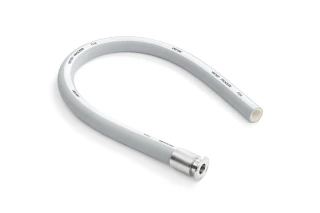
Vena® Pharma, formerly Vena® Sil 650V, is the first option to assess for flexible connections in juice dosing and filling machines. Its platinum-cured silicone construction incorporates polyester fabric reinforcement and a stainless steel wire helix. Designed for suction and pressure applications, its flexibility and tight bending radius make it suitable for repetitive movements and vibration absorption. Its operating temperature range is −55°C to +180°C.

It is particularly relevant where filling equipment requires flexible connections between components. Final selection must account for the actual movement, pressure, temperature and compatibility with both the beverage and cleaning agents.

Material Compatibility: Consider the Complete Beverage

Juices and formulated beverages contain different combinations of acids, sugars, pulp and flavourings. Material compatibility must be assessed against the complete formulation, including ingredient concentration, contact time and processing temperature.

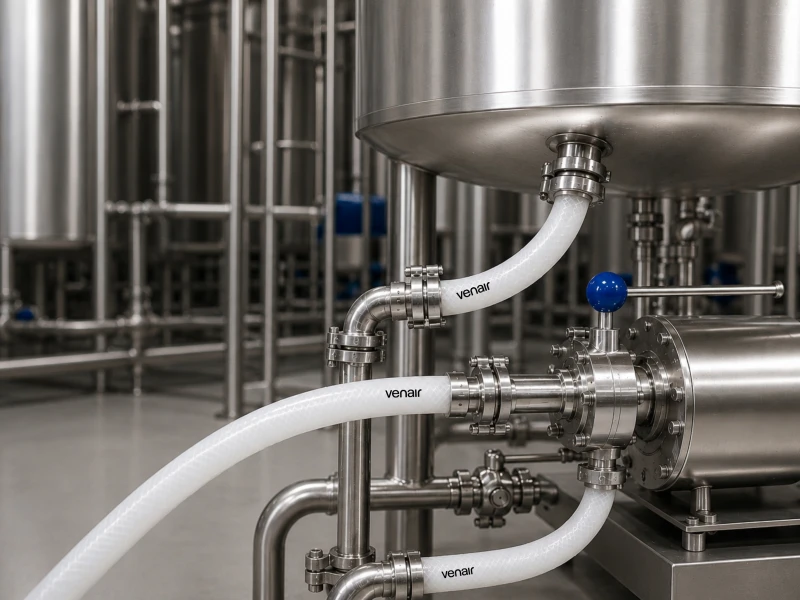
For beverage transfer and connections supplying the filling machine, Vena® Process and Vena® Food provide two further options with different product-contact materials.

Vena® Process features a smooth, white food-grade EPDM inner liner and an EPDM outer cover, with reinforcement for mechanical strength. It is an option for fruit juice and other liquid or semi-liquid foods where EPDM is compatible with the formulation and cleaning programme. It is not suitable for transferring fatty foods and oils; beverages containing these ingredients require a separate material assessment.

Vena® Food combines a food-grade butyl inner liner with an EPDM cover, two textile reinforcements and an embedded steel wire helix. It is designed for liquid and semi-liquid food transfer, including juices, and can be considered for pressure and suction duties where butyl rubber is compatible with the process.

The practical distinction is the material in contact with the beverage: silicone for Vena® Pharma, EPDM for Vena® Process and butyl for Vena® Food. Where both rubber hoses are candidates, compare compatibility with the beverage and CIP chemicals, then check temperature, pressure, vacuum and installation requirements. Neither material is automatically the preferred choice for every juice formulation.

Temperature and CIP: Assess Both Operating Stages

A hose may transfer chilled or moderately warm juice during production before being exposed to hot cleaning solutions. Selection must cover both stages, including chemical concentration and exposure time.

Assess the most demanding combination of temperature, pressure and chemical exposure encountered in service. Operating temperature limits and permitted cleaning or sterilisation conditions must be checked separately for the selected hose and complete assembly.

A high temperature rating alone does not establish suitability for a CIP programme. Confirm the cleaning conditions for the chosen material and respect the applicable exposure limits. Detailed operating specifications are available on each product page.

Conceptual illustration comparing product transfer and CIP cleaning. The cutaway shows the fluid inside the hose; the connection shown is not a drainage or installation specification.

Hygienic Design and Food-Contact Requirements

Smooth inner surfaces support cleanability, but the complete assembly also matters. Connections, hose routing and drainage should be assessed alongside the validated cleaning procedure to limit product retention between batches.

Food-contact documentation must correspond to the selected material and intended conditions of use. Vena® Pharma is supplied with a validation package, with 3-A Sanitary Standard 62-02 listed for fitted hoses. Vena® Process and Vena® Food list FDA 21 CFR 177.2600 compliance for their respective EPDM and butyl materials. Review the applicable declarations for the specified reference and assembly.

Select the Right Hose for Each Connection

For connections within a juice filling machine, assess Vena® Pharma first where flexibility, repeated movement and vibration absorption are priorities. For beverage transfer and machine supply connections, consider Vena® Process or Vena® Food according to the compatibility of EPDM or butyl with the product and cleaning programme.

Before specifying the assembly, confirm the hose diameter and length, pressure or vacuum requirements, operating and cleaning temperatures, minimum bending radius and connection type.

Find the right solution for your juice production line. Explore Vena® Pharma, Vena® Process and Vena® Food to review their features, available dimensions, operating specifications and technical documentation.

Related products

Related

All
Articles

Hose Solutions for Beverage Filling Lines

Introduction In beverage production, filling lines are one of the most critical stages of the process. Any interruption...

Hose Solutions for Beverage Filling Lines