Silicone and Rubber Hoses in High-Temperature Applications
Introduction
High-temperature environments are among the most challenging conditions for industrial hose systems. Selecting the right material is essential to ensure performance, durability, and safety.
Among the most commonly used options, silicone and rubber hoses are widely applied in these environments. Understanding how each material behaves under heat is key to making the right decision.
The Challenges of High-Temperature Applications
Industrial processes involving heat expose hoses to conditions such as:
-
Continuous high temperatures
-
Thermal cycling, with heating and cooling phases
-
Mechanical stress combined with heat
-
Exposure to hot air, gases, or fluids
These conditions can accelerate material degradation if the hose is not properly selected.
Silicone Hoses in High-Temperature Environments
Silicone hoses are commonly used in applications where thermal resistance and flexibility are required.
They are particularly suitable for:
-
Hot air and gas transfer
-
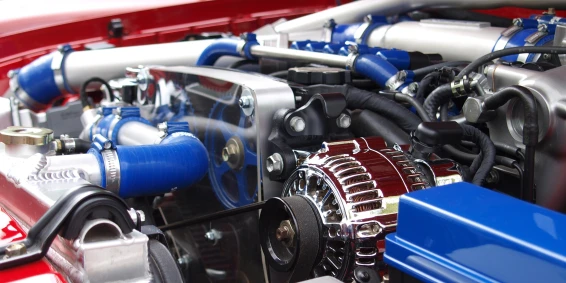
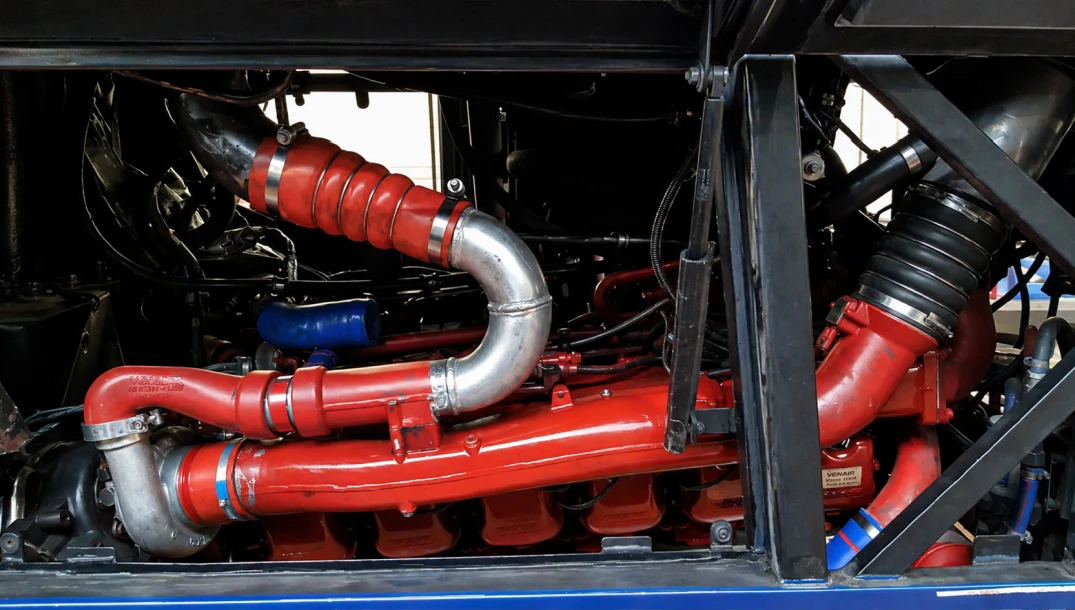
Engine and HVAC systems
-
Applications with dynamic movement
-
Industrial systems exposed to demanding thermal conditions
Silicone maintains flexibility even at elevated temperatures, making it ideal for installations with vibration or movement.
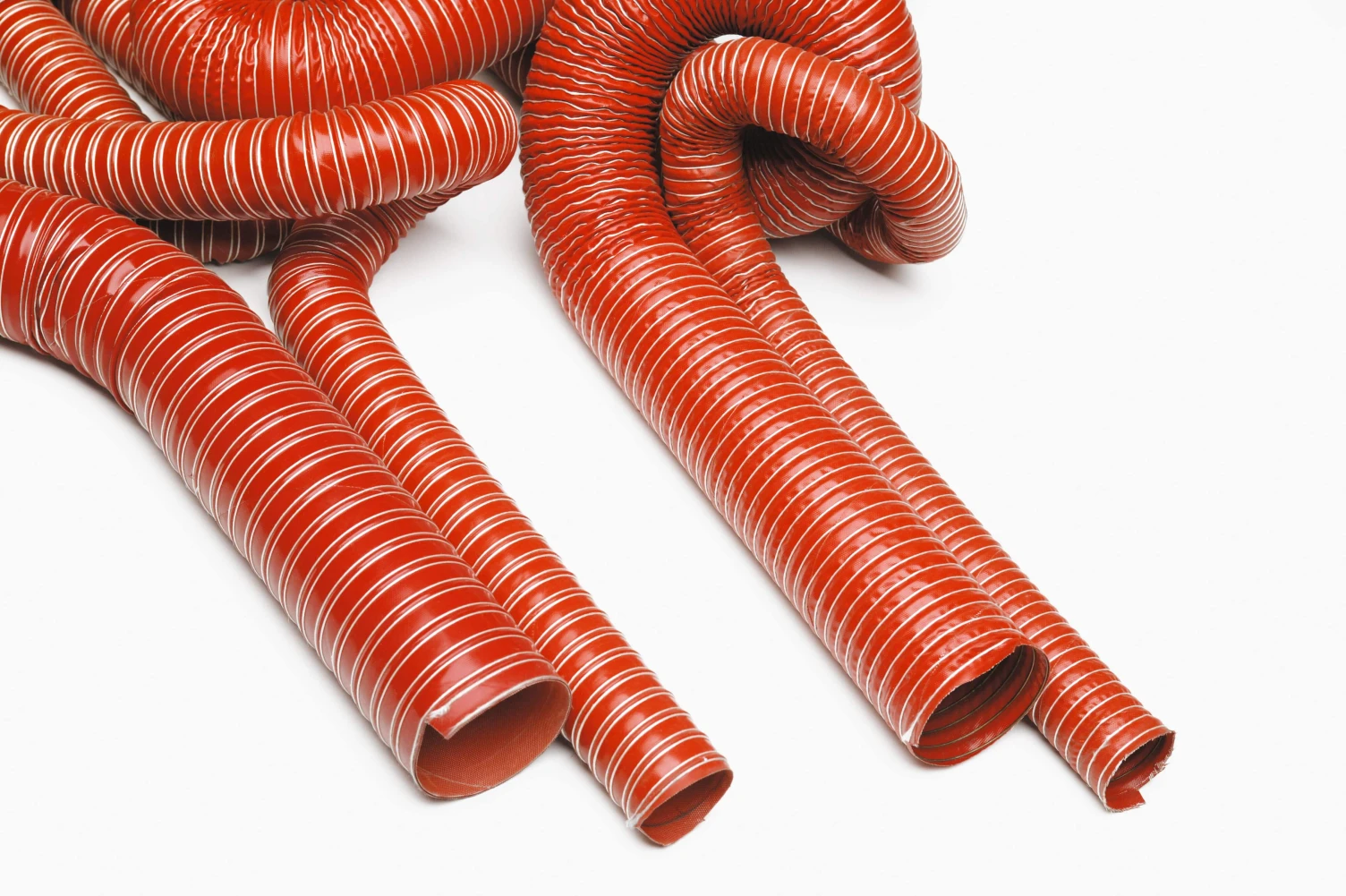
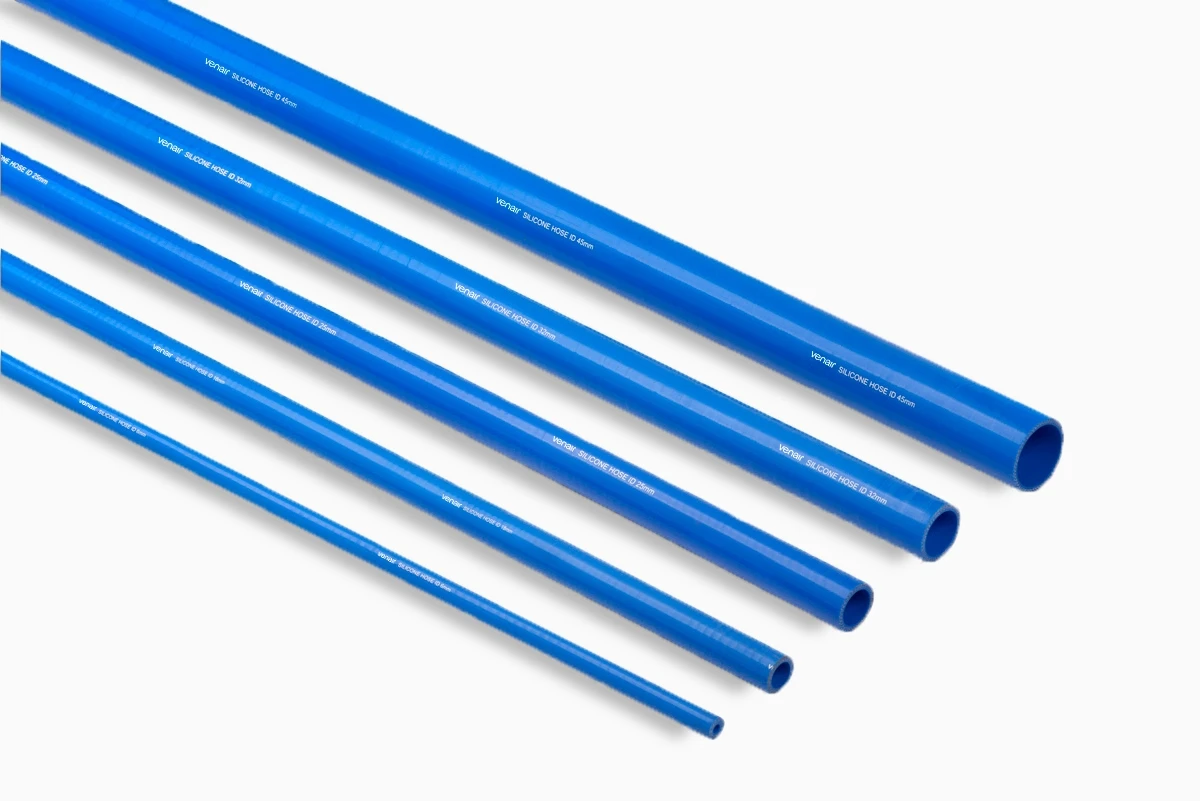
For these applications, solutions such as Vena® HT, Vena® HTD, or Vena® Sil 200 can provide reliable performance in high-temperature environments.
Vena® HT/HTD |
Vena® Sil 200 |
 |
 |
Rubber Hoses in Industrial Applications
Rubber hoses are used in a wide range of industrial environments, offering good mechanical resistance and cost-effectiveness.
They are typically applied in:
-
General industrial fluid transfer
-
Applications with moderate temperature requirements
-
Systems where flexibility is needed but extreme heat is not constant
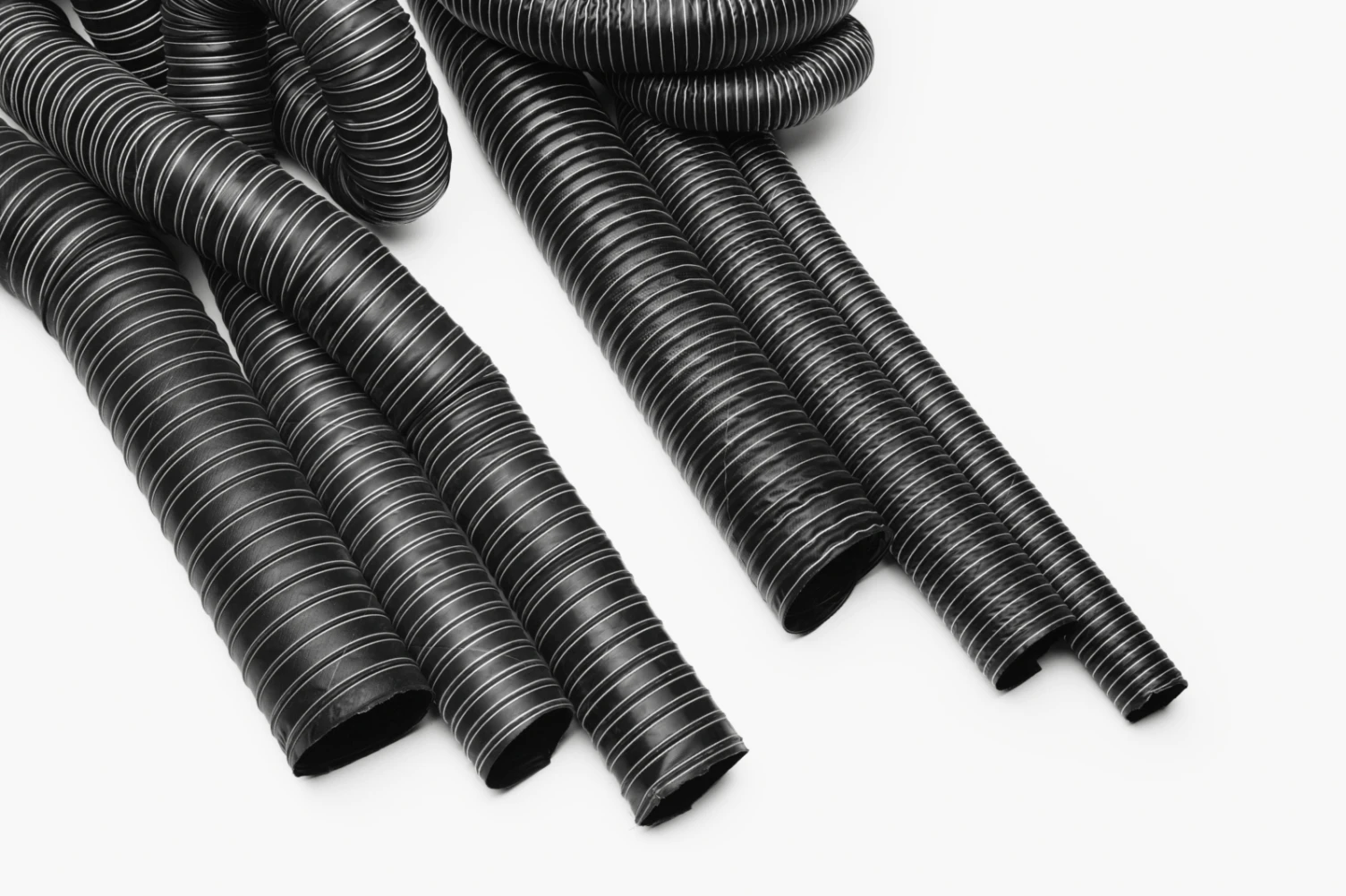
However, rubber materials may experience degradation when exposed to prolonged high temperatures. In applications where higher thermal stability is required, silicone-based alternatives such as Vena® MT or Vena® MTD may be considered.
Vena® MT/MTD |
 |
Selecting the Right Material for High-Temperature Conditions
The choice between materials depends on:
-
Operating temperature range
-
Duration of heat exposure
-
Mechanical requirements, such as flexibility or rigidity
-
Environmental conditions
-
Type of fluid, gas, or air being transferred
Rather than choosing one material universally, the goal is to match hose performance with application demands.
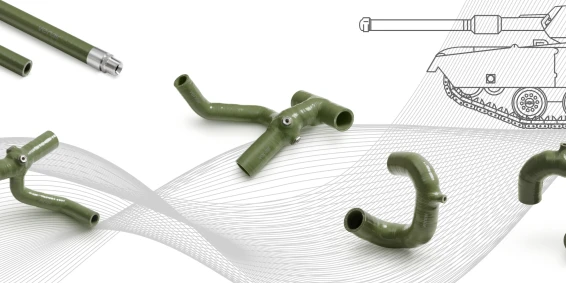
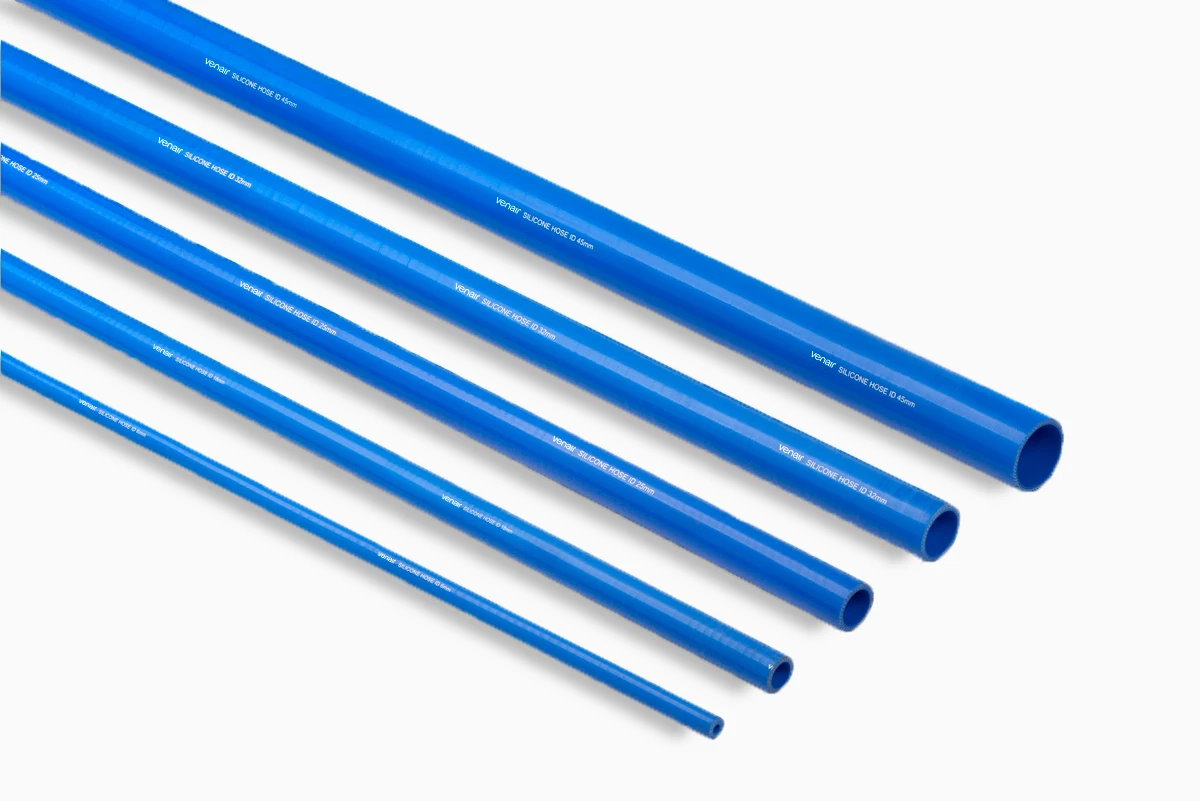
For example, automotive and engine-related systems may require reinforced silicone solutions such as Vena® Sil Turbo, while railway or demanding industrial applications may require materials designed for both thermal and safety requirements, such as Vena® Rail Plus.
Vena® Rail Plus |
 |
Benefits of Proper Material Selection
Selecting the right hose for high-temperature applications allows manufacturers to:
-
Improve system reliability
-
Extend hose lifespan
-
Reduce maintenance and downtime
-
Ensure safe operation
Choosing a suitable solution from the beginning helps avoid premature hose degradation and supports long-term performance in demanding environments.
Conclusion
High-temperature environments require carefully selected hose materials that can withstand demanding conditions.
By understanding how different materials perform under heat, manufacturers can choose the most suitable solution and ensure reliable, long-term operation.
For high-temperature applications, Venair offers different High Performance solutions, including Vena® HT, Vena® HTD, Vena® MT, Vena® MTD, Vena® Sil 200, Vena® Sil Turbo, and Vena® Rail Plus, depending on the specific application requirements.