What Is USP Class VI Tubing and Why It Matters in Pharma
Introduction
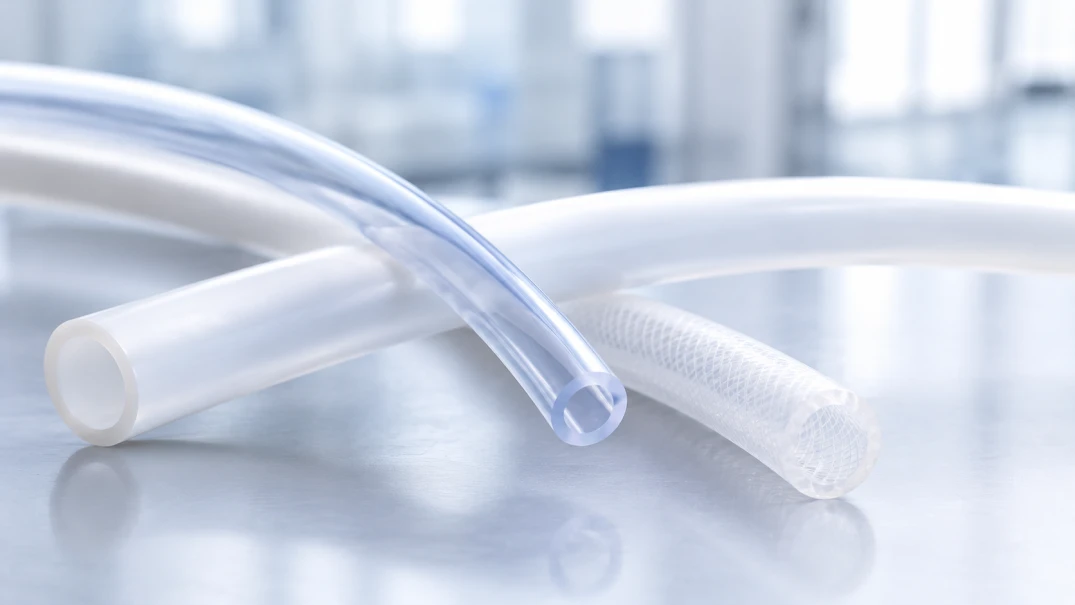
In pharmaceutical and biopharmaceutical applications, material selection is critical to ensuring product safety and regulatory compliance. One of the most important standards for materials in contact with pharmaceutical products is USP Class VI.
Understanding what USP Class VI tubing is and why it matters is essential for selecting reliable fluid transfer solutions in pharma environments.
What Is USP Class VI?
USP Class VI is a classification defined by the United States Pharmacopeia (USP) that evaluates the biocompatibility of materials.
To achieve USP Class VI certification, materials must pass a series of tests, including:
-
Systemic toxicity tests
-
Intracutaneous reactivity tests
-
Implantation tests
These tests ensure that materials are safe for contact with biological systems.
Why USP Class VI Tubing Is Important
Using USP Class VI tubing helps ensure:
Product Safety
Materials do not release harmful substances that could contaminate the product.
Regulatory Compliance
Compliance with USP standards supports approval processes and audits.
Biocompatibility
Materials are suitable for use in sensitive pharmaceutical and biopharmaceutical applications.
Applications of USP Class VI Tubing
USP Class VI tubing is commonly used in:
-
Biopharmaceutical production
-
Sterile fluid transfer
-
Single-use systems
-
Filling and packaging processes
These applications require high levels of purity and safety.
Key Features of USP Class VI Tubing
To meet pharmaceutical requirements, tubing must offer:
-
Low extractables and leachables
-
High purity materials
-
Resistance to sterilization processes
-
Smooth inner surfaces
Selecting USP Class VI Tubing Solutions
Choosing the right tubing involves much more than certification alone. Manufacturers must also consider the type of fluid, operating conditions, cleaning or sterilization processes, required flexibility, and the chemical compatibility of the material.
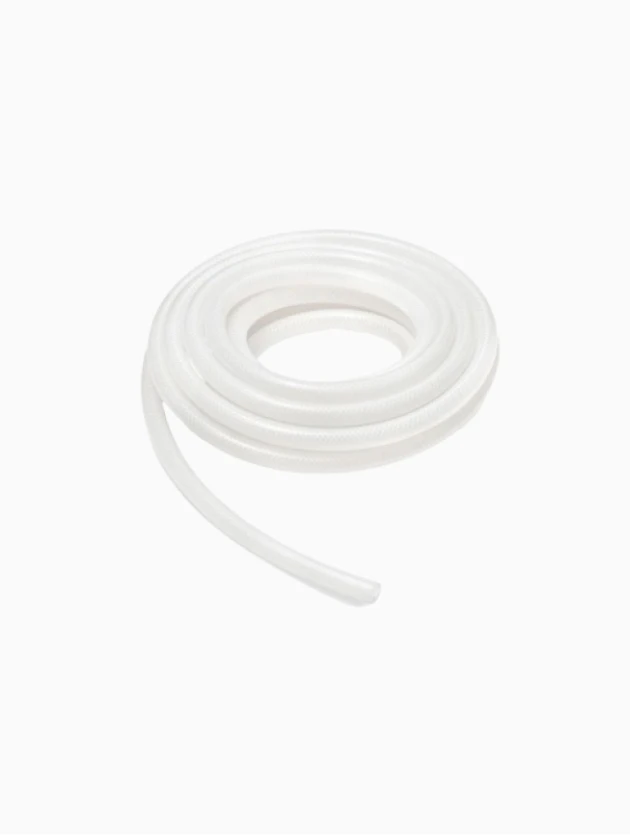
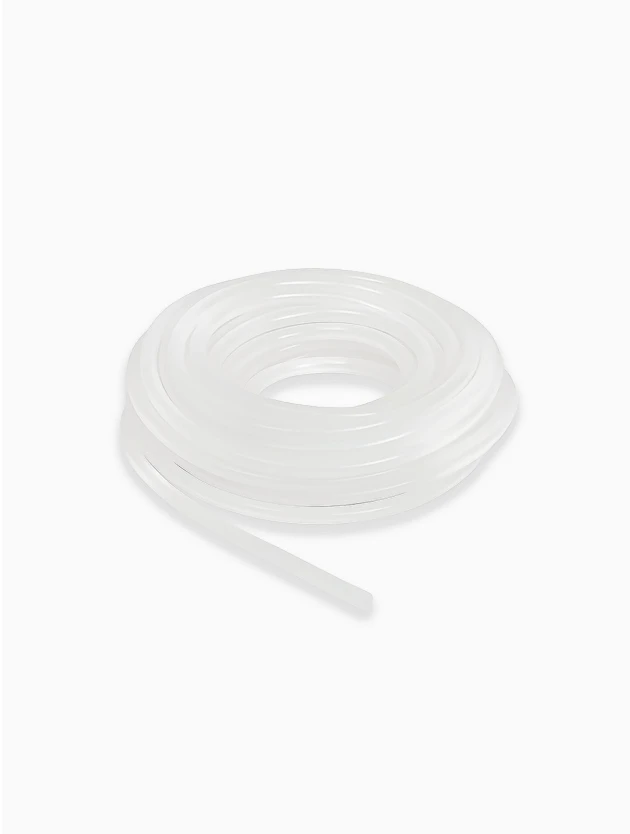
For pharmaceutical and biopharmaceutical applications that require high levels of purity, biocompatibility, and safety in fluid transfer, solutions such as VENABIO® Technosil or VENABIO® Flow provide reliable performance in demanding environments.
VENABIO® Technosil |
VENABIO® Flow |
 |
 |
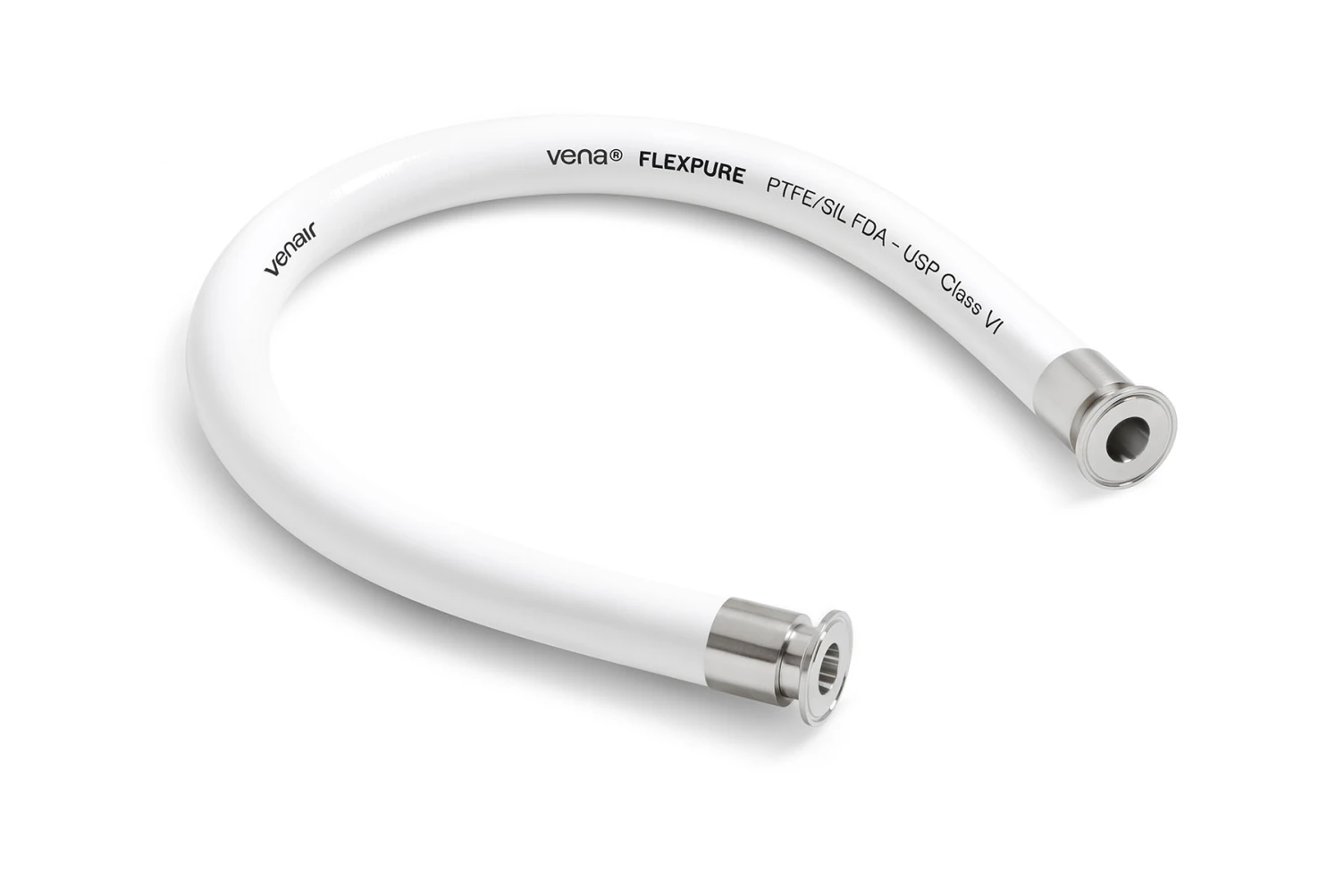
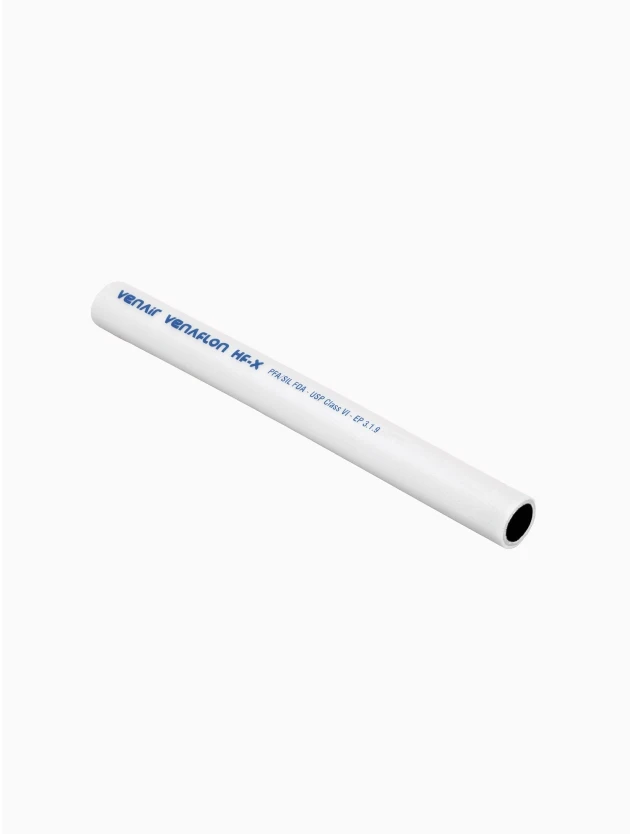
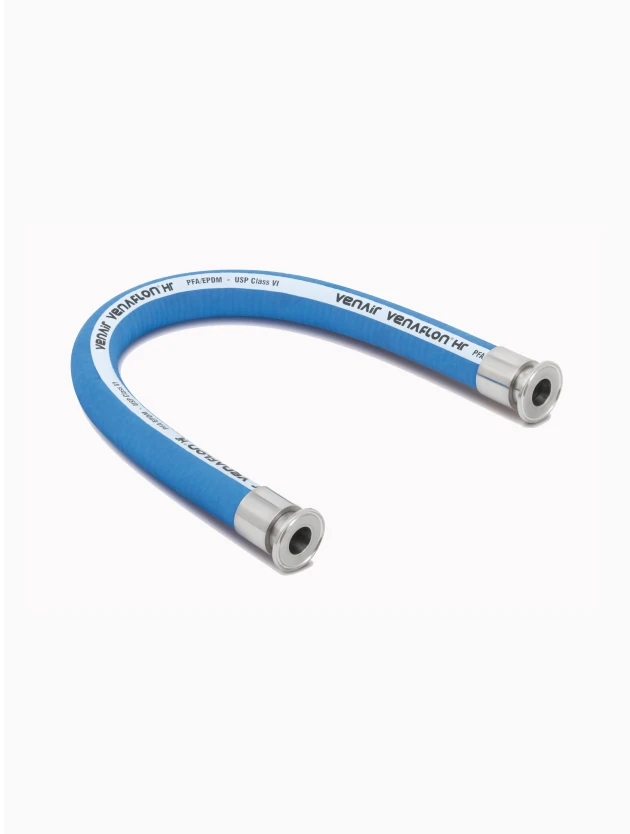
In applications requiring greater chemical resistance or compatibility with more aggressive fluids, solutions such as Vena® Flexpure, Venaflon® HF-X, or Venaflon® HR can help ensure stability, durability, and process safety.
Vena® Flexpure |
Venaflon® HF-X |
Venaflon® HR |
 |
 |
 |
The final selection should always be based on the specific application, taking into account pressure, temperature, cleaning, sterilization, traceability, and regulatory compliance requirements.
Benefits of Using Certified Tubing
Using USP Class VI certified tubing allows manufacturers to:
-
Ensure product safety
-
Facilitate regulatory approval
-
Reduce contamination risks
-
Improve process reliability
Conclusion
USP Class VI tubing is a key requirement in pharmaceutical fluid transfer systems, ensuring safety, compliance, and performance.
By selecting appropriate USP Class VI tubing, manufacturers can meet regulatory standards and maintain the highest levels of product quality.