Thermal Management in Electric Vehicles: Designing Reliable Cooling Circuits
Introduction
As electric vehicles continue to evolve, thermal management systems are becoming more advanced and interconnected. Batteries, electric motors, power electronics and HVAC systems all rely on controlled operating temperatures to maximise efficiency, performance and component lifespan.
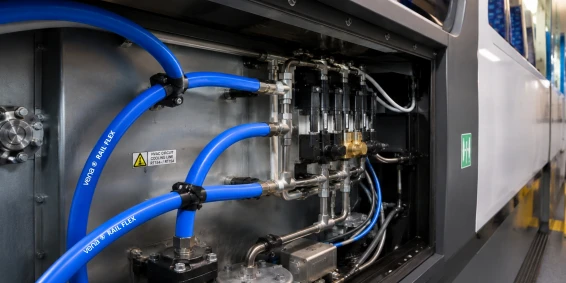
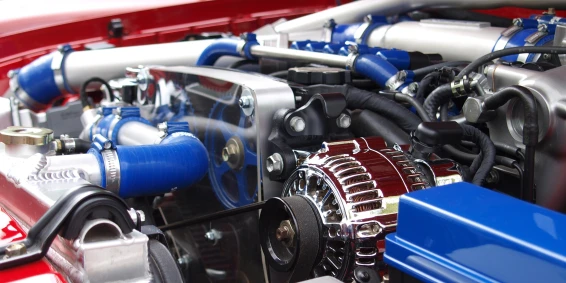
While pumps, heat exchangers and cooling plates often receive most of the attention, flexible hoses are equally important. They ensure reliable coolant transfer throughout the vehicle, connecting critical components while adapting to increasingly compact and complex vehicle architectures.
How Thermal Management Systems Have Evolved in EVs
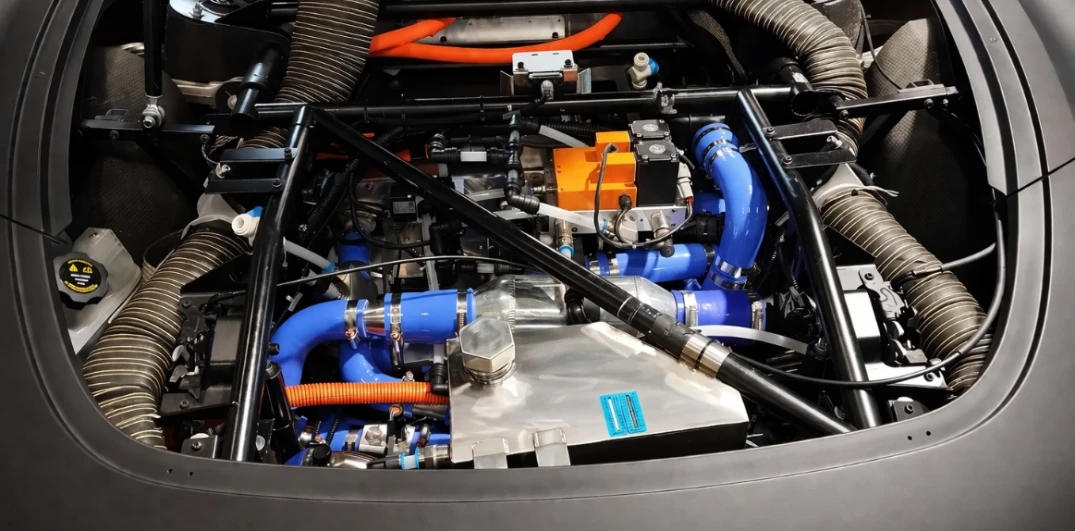
Unlike conventional vehicles, electric vehicles manage the temperature of several systems simultaneously. Many modern EV platforms integrate battery cooling, power electronics, electric motors and cabin climate control into shared or closely connected coolant circuits to improve energy efficiency and reduce system complexity.
As these thermal management systems become more sophisticated, every component within the cooling circuit must deliver consistent performance under continuous thermal cycling, vibration and limited installation space. Flexible hoses play a key role in maintaining reliable coolant flow while accommodating the routing challenges of modern vehicle designs.
What Makes an EV Cooling Hose Reliable?
Cooling hoses for electric vehicles must do much more than withstand high temperatures. Their performance directly influences the efficiency and durability of the entire thermal management system.
The most important characteristics include:
- Flexibility to simplify installation within compact vehicle layouts.
- Resistance to thermal cycling, maintaining mechanical properties despite repeated heating and cooling.
- Compatibility with modern coolants, ensuring long-term chemical stability.
- Durability under vibration and continuous operation, helping reduce maintenance throughout the vehicle's service life.
Selecting the appropriate hose solution early in the design process also helps minimise potential leak points, optimise coolant routing and improve overall system reliability.
Choosing the Right Hose for EV Cooling Applications
Different thermal management circuits require hose solutions capable of delivering reliable performance under demanding operating conditions.
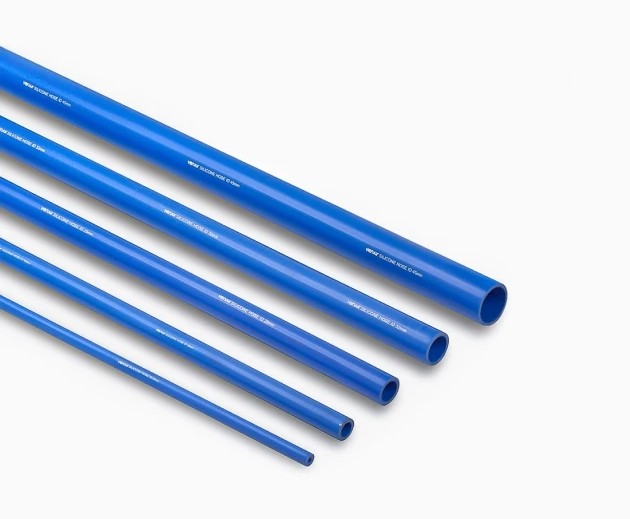
For heating and cooling applications, Vena® Sil 240 (Vena® Sil Plus) is a reinforced silicone hose developed for the transfer of pressurised air and water at high temperatures. Its four-layer polyester reinforcement provides excellent flexibility, resistance to thermal ageing and compatibility with automotive cooling fluids, making it suitable for demanding mobility applications, including electric vehicles, industrial vehicles and renewable energy systems.
By combining mechanical strength with installation flexibility, reinforced silicone hose solutions help manufacturers develop more compact, efficient and reliable cooling circuits.
 |
Conclusion
As electric vehicle technology continues to advance, thermal management systems are becoming increasingly integrated and efficient. Reliable coolant circulation depends on every component within the circuit, including the flexible hoses that connect critical systems.
Choosing hose solutions specifically engineered for heating and cooling applications helps improve thermal efficiency, simplify vehicle integration and support the long-term reliability expected from today's electric mobility platforms.