Cooling Loops in PEM Electrolyzers: 7 Engineering Mistakes That Reduce System Efficiency
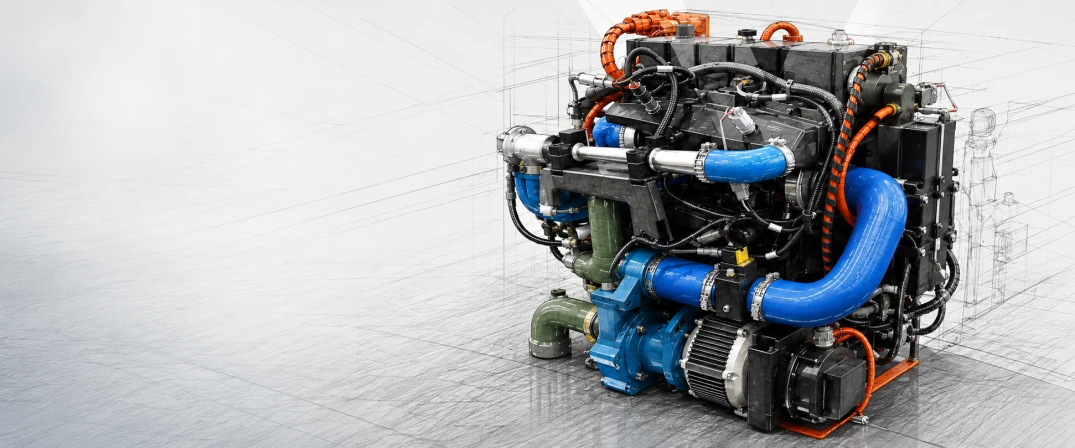
As hydrogen technologies continue to evolve, manufacturers are focusing on improving efficiency, durability and system reliability. While considerable attention is given to stacks, membranes and catalysts, one subsystem has a direct impact on all of them: the PEM electrolyzer cooling system.
An efficient cooling loop does much more than remove heat. It helps maintain stable operating temperatures, protects critical components from thermal stress and ensures consistent hydrogen production throughout the life of the electrolyzer. Even relatively small design decisions—such as hose material, routing or assembly design—can influence energy efficiency, maintenance requirements and long-term performance.
In this article, we explore seven common engineering mistakes found in cooling circuits and explain how choosing the right fluid transfer solution can help optimize the entire system.
Why Thermal Management Is Critical in PEM Electrolyzers
During electrolysis, part of the electrical energy supplied to the stack is released as heat. If this heat is not dissipated efficiently, operating temperatures can rise beyond their optimal range, affecting membrane performance, reducing electrochemical efficiency and accelerating component ageing.
A typical PEM electrolyzer cooling loop circulates coolant through the stack before transferring the heat to a heat exchanger, where it is removed from the system. To achieve stable thermal control, every component—from the pump to the hoses—must work together with minimal pressure loss and maximum reliability.
Although cooling hoses often represent a small percentage of the overall system cost, they play a vital role in ensuring safe and efficient fluid circulation.
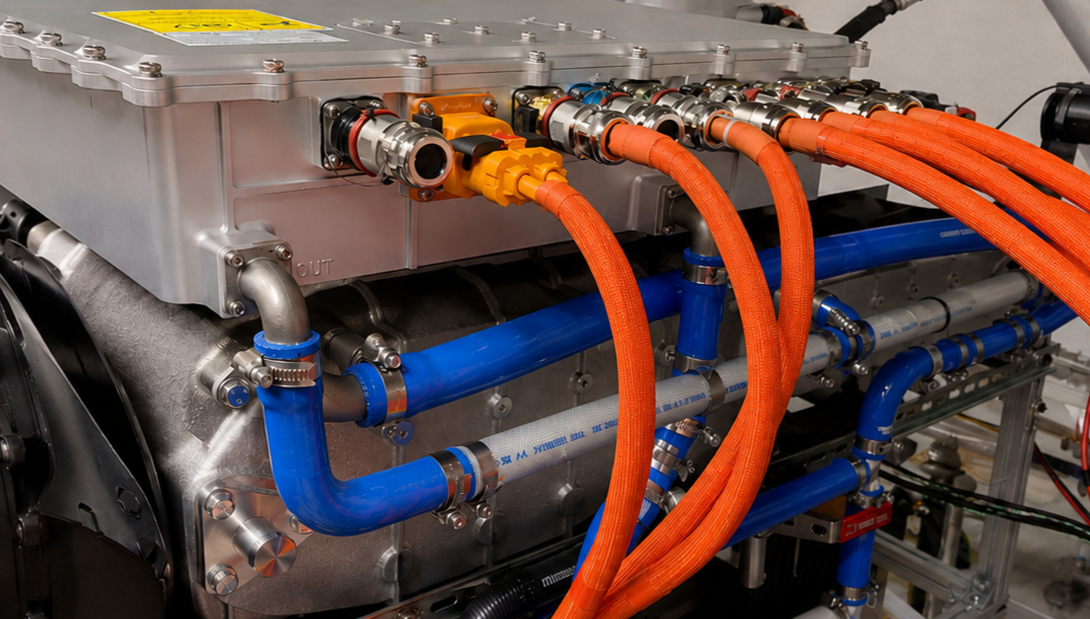
1. Choosing Hose Materials Based Only on Temperature Ratings
A common mistake is selecting hoses according to pressure and temperature specifications alone.
Cooling circuits typically use deionized water or dedicated coolant mixtures, which require materials with excellent chemical compatibility and low extractables. Using an unsuitable hose material may lead to premature ageing, contamination of the cooling fluid and reduced system reliability.
Material compatibility should always be evaluated alongside thermal performance.
2. Ignoring Thermal Cycling
PEM electrolyzers rarely operate under constant conditions. Start-up, shutdown and fluctuating operating loads expose the cooling circuit to continuous thermal expansion and contraction.
Over time, these cycles can affect hose flexibility, sealing integrity and mechanical durability if materials are not designed for long-term thermal stability.
Selecting hoses engineered for repeated thermal cycling helps reduce maintenance while extending service life.
3. Designing Inefficient Hose Routing
As electrolyzers become more compact, cooling circuits become increasingly complex.
Sharp bends, excessive hose lengths or unnecessary fittings create additional pressure losses and make installation more difficult. Poor routing may also increase mechanical stress, leading to premature wear.
Optimized hose layouts improve coolant circulation while simplifying assembly and maintenance.
4. Underestimating Pressure Losses
Every connector, bend and transition contributes to hydraulic resistance.
If pressure losses are overlooked during system design, circulation pumps require more energy to maintain the desired coolant flow, reducing overall system efficiency.
Proper hose diameter, smooth internal surfaces and optimized routing help minimize pressure drop throughout the cooling loop.
5. Overlooking Long-Term Reliability
A cooling system should not only perform well during commissioning—it should continue performing reliably after years of operation.
Continuous vibration, temperature fluctuations and mechanical fatigue gradually affect every component of the cooling circuit. Choosing high-quality hose assemblies designed for demanding operating environments helps reduce downtime and lower maintenance costs over the lifetime of the electrolyzer.
6. Underestimating the Importance of Leak Prevention
Cooling systems operate continuously, making sealing reliability essential.
Leaks not only reduce cooling efficiency but can also increase maintenance requirements and lead to unexpected downtime. Well-designed hose assemblies, combined with appropriate connection technologies, significantly improve the reliability of the entire cooling circuit.
Reducing the number of connection points through customized hose assemblies is often an effective way to minimize leak risks.
7. Treating Cooling Hoses as Standard Components
Cooling hoses are sometimes considered simple fluid conduits, when in reality they influence multiple aspects of system performance.
Flexibility, coolant compatibility, routing, mechanical durability and installation efficiency all contribute to the reliability of the cooling loop. Selecting the appropriate hose solution should therefore be considered an integral part of the engineering process rather than a final purchasing decision.
What Should Engineers Look for in a Cooling Hose?
An effective PEM electrolyzer cooling hose should combine several key characteristics:
- Compatibility with deionized water and cooling fluids
- Excellent thermal resistance
- Low extractables where fluid purity is critical
- High flexibility for compact installations
- Long-term resistance to thermal cycling
- Reliable sealing performance
- Mechanical durability under continuous operation
Considering these factors during the design stage helps improve system efficiency while reducing future maintenance.
Fluid Transfer Solutions for PEM Electrolyzers
At Venair, we develop fluid transfer solutions specifically engineered for hydrogen technologies, supporting OEMs with hose systems designed for demanding cooling applications.
Our portfolio includes solutions such as:
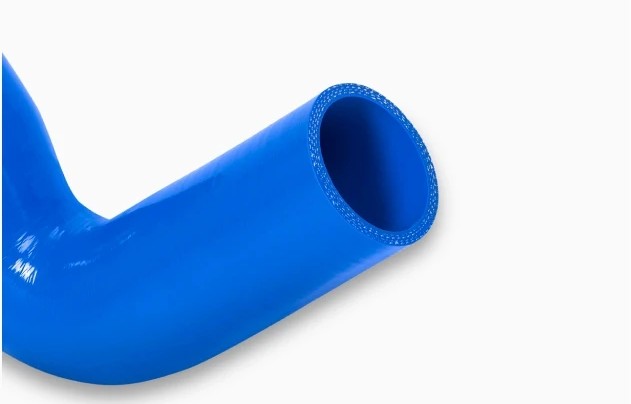
Developed specifically for thermal management systems in PEM fuel cells and electrolyzers, Vena® PEM COOL provides excellent flexibility, compatibility with deionized water and reliable performance under demanding operating conditions.
 |
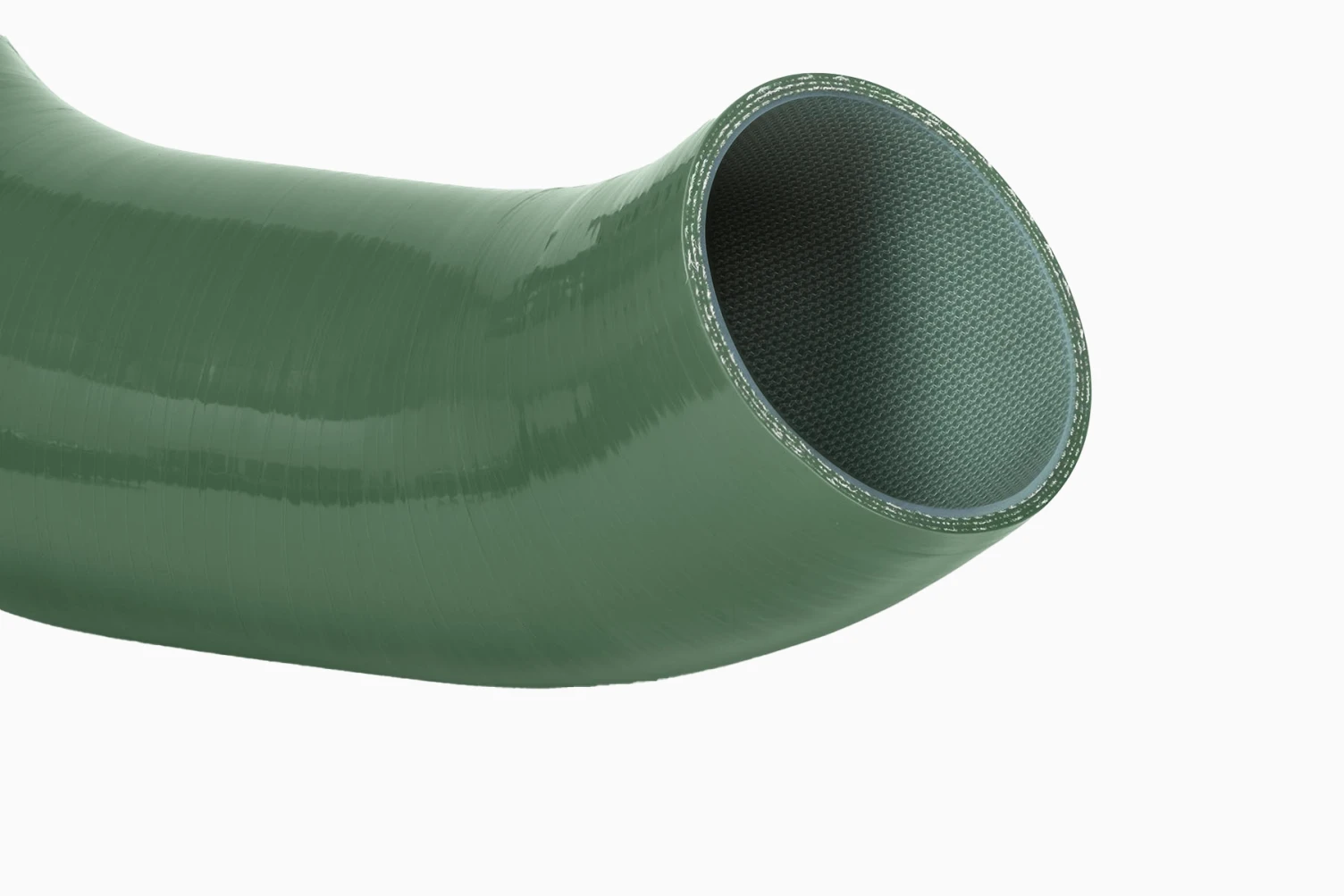
Designed for applications where coolant purity is essential, Vena® PEM PURE offers ultra-low extractables and high chemical stability, helping preserve fluid quality throughout the cooling circuit.
 |
-
Custom Hose Assemblies
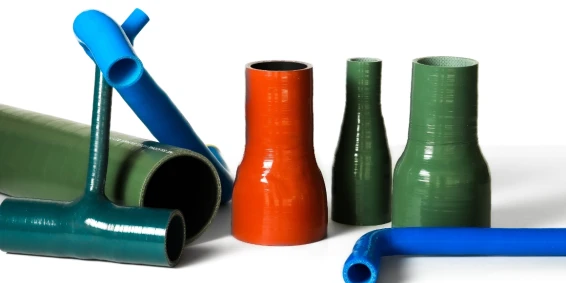
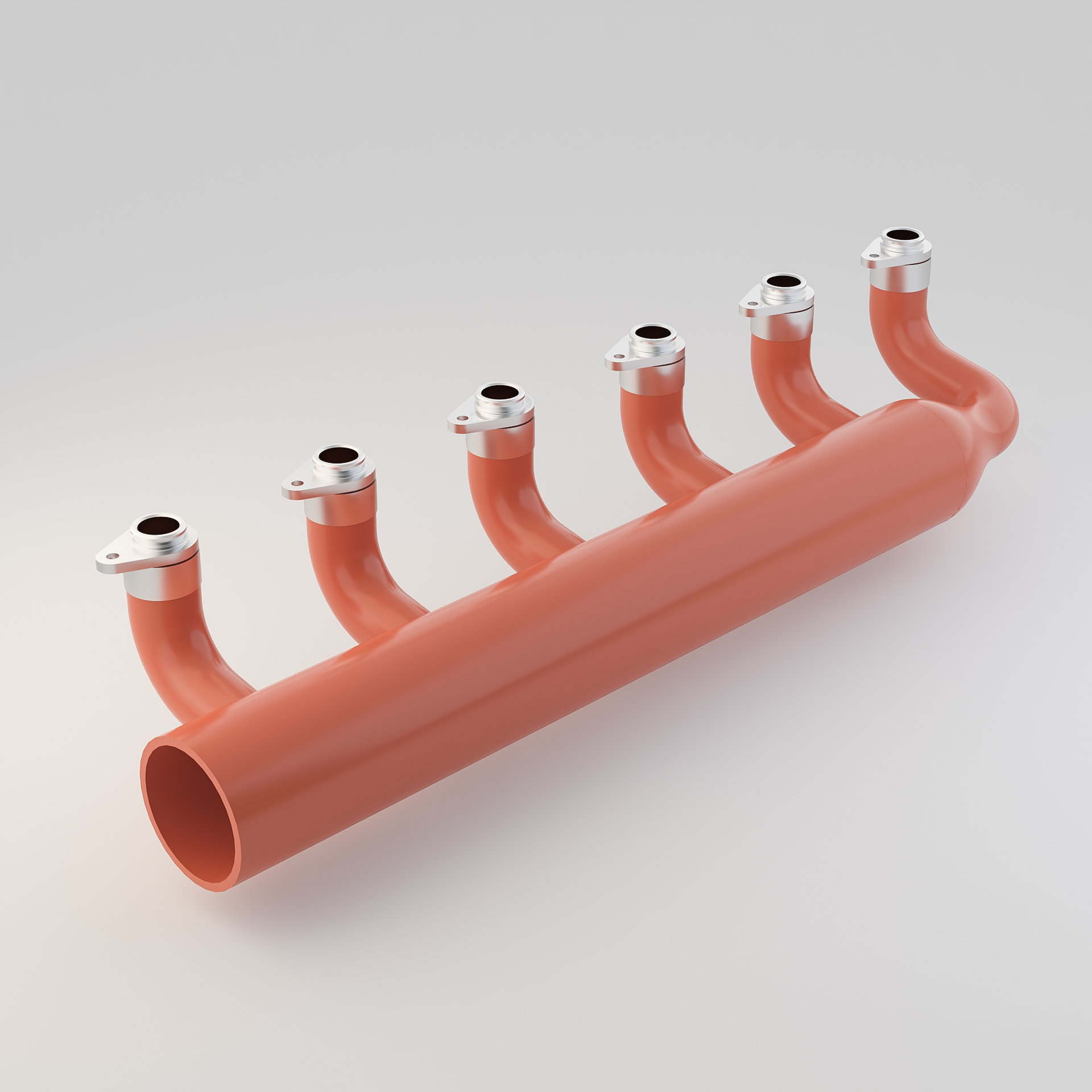
Beyond standard hoses, Venair develops customized assemblies with integrated fittings and optimized geometries that simplify installation, reduce potential leak points and improve overall system integration.
 |
Conclusion
The performance of a PEM electrolyzer depends on much more than its electrochemical stack. A well-designed cooling loop directly influences efficiency, durability and operational reliability.
By avoiding common engineering mistakes—from material selection and hose routing to pressure loss and sealing design—manufacturers can build more efficient thermal management systems while reducing maintenance over the lifetime of the equipment.
As electrolyzer technology continues to advance, cooling circuits should be viewed not simply as supporting infrastructure, but as essential contributors to the long-term performance of every hydrogen production system.