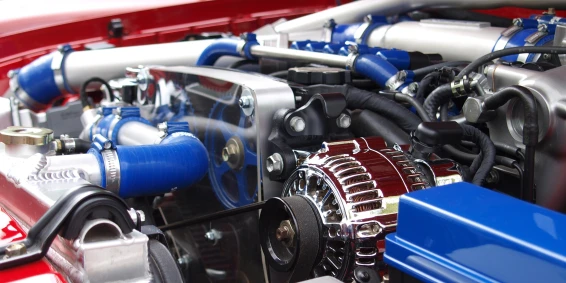
Automotive Hoses for Modern Mobility: From Passenger Vehicles to Specialized Transportation
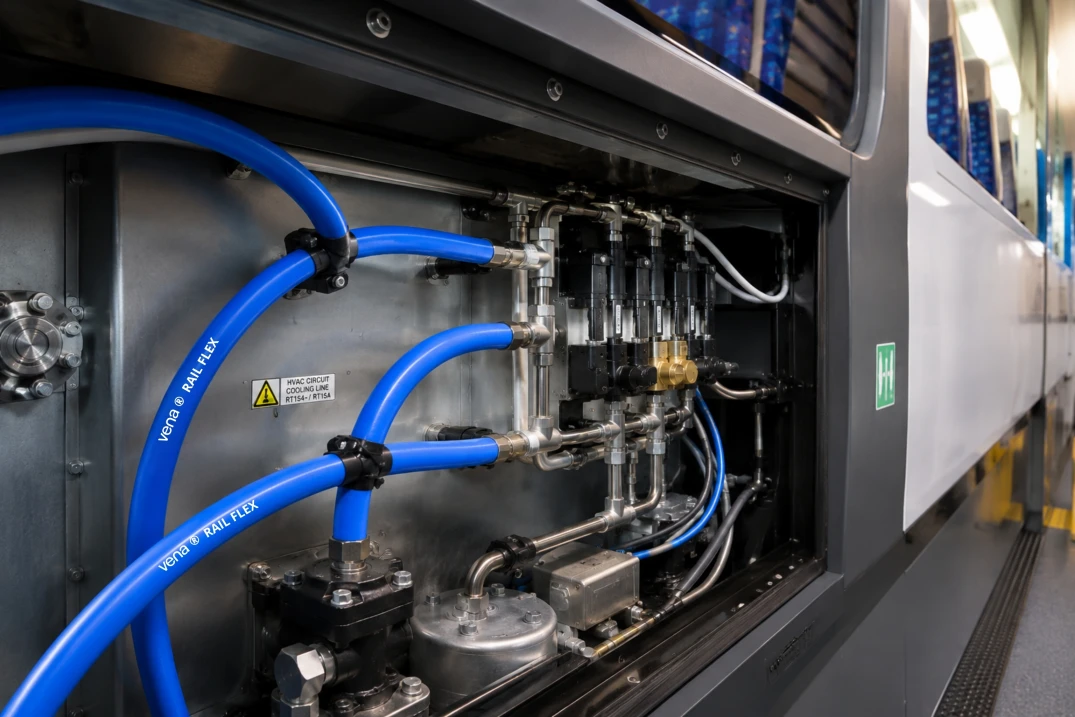
Introduction
Modern mobility is evolving at an unprecedented pace. Manufacturers are developing increasingly efficient, compact, and technologically advanced vehicles, ranging from traditional internal combustion engines and hybrid platforms to electric vehicles, railway systems, and military transportation.
Behind every cooling circuit, heating system, or thermal management application lies a critical component that often goes unnoticed: the hose.
Automotive hoses are responsible for transporting air, coolants, and fluids throughout the vehicle while operating under demanding conditions such as high temperatures, continuous vibration, pressure fluctuations, and increasingly limited installation space.
As vehicle architectures become more complex, selecting the right hose solution has become a key factor in ensuring long-term reliability and performance.
The New Challenges of Fluid Transfer Systems
The demands placed on fluid transfer systems have changed significantly over the last decade.
Manufacturers are no longer looking solely for components capable of withstanding temperature and pressure. They also require solutions that contribute to vehicle efficiency, simplify assembly, and adapt to increasingly compact designs.
Some of the main challenges include:
-
Thermal Management
Effective temperature control is essential in modern mobility applications. Cooling circuits must maintain stable operating conditions while being exposed to continuous thermal cycling throughout the vehicle's lifetime.
-
Limited Installation Space
Vehicle integration is becoming increasingly complex. Engineers must route hoses through confined spaces while maintaining efficient flow performance and minimizing mechanical stress on the assembly.
-
Vibration and Mechanical Stress
Whether in passenger cars, trucks, railway vehicles, or military platforms, hoses are constantly exposed to vibration and movement. The materials and reinforcement structures used must withstand these conditions without compromising system performance.
-
Long-Term Durability
Manufacturers demand components capable of maintaining their performance for years while minimizing maintenance requirements and reducing operational costs.
Why Silicone Hoses Remain a Preferred Solution
Silicone has become one of the most widely used materials for automotive hose manufacturing thanks to its combination of flexibility, durability, and thermal resistance.
Compared to conventional materials, silicone hoses offer several advantages:
- Excellent resistance to high temperatures
- Flexibility across a wide operating range
- Resistance to ageing and weathering
- Long service life
- Reliable performance under continuous vibration
For demanding cooling systems and high-temperature environments, solutions such as Vena® HT have been designed to deliver reliable performance while maintaining flexibility under severe operating conditions.
These characteristics make silicone hoses an ideal solution for a wide range of mobility applications where reliability is critical.
Typical Applications in Modern Vehicles
Fluid transfer systems are present in virtually every modern transportation platform.
Some of the most common applications include:
- Engine cooling systems
- Turbocharger and charge-air circuits
- Heating systems
- Battery thermal management systems
- Power electronics cooling
- HVAC systems
- Auxiliary fluid transfer circuits
Each of these applications presents unique requirements in terms of temperature, pressure, flexibility, and chemical compatibility, making proper hose selection essential during the design phase.
Beyond Automotive: Fluid Transfer Across Modern Mobility
The evolution of mobility extends far beyond passenger vehicles.
Railway transportation, heavy-duty trucks, defense vehicles, and other specialized equipment operate in even more demanding environments, requiring fluid transfer solutions with enhanced mechanical and safety performance.
-
Railway Applications
Rail systems require components capable of withstanding continuous vibration, exposure to harsh environmental conditions, and strict fire safety regulations.
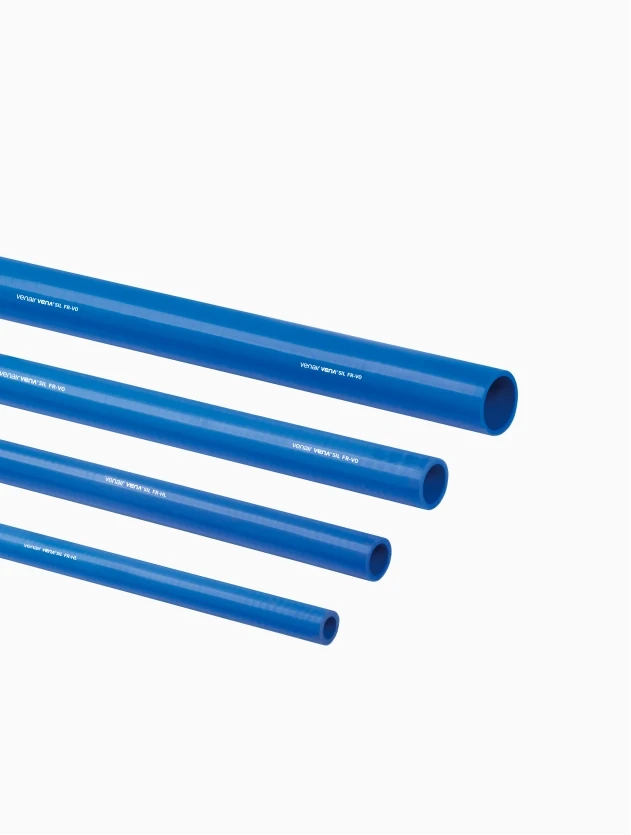
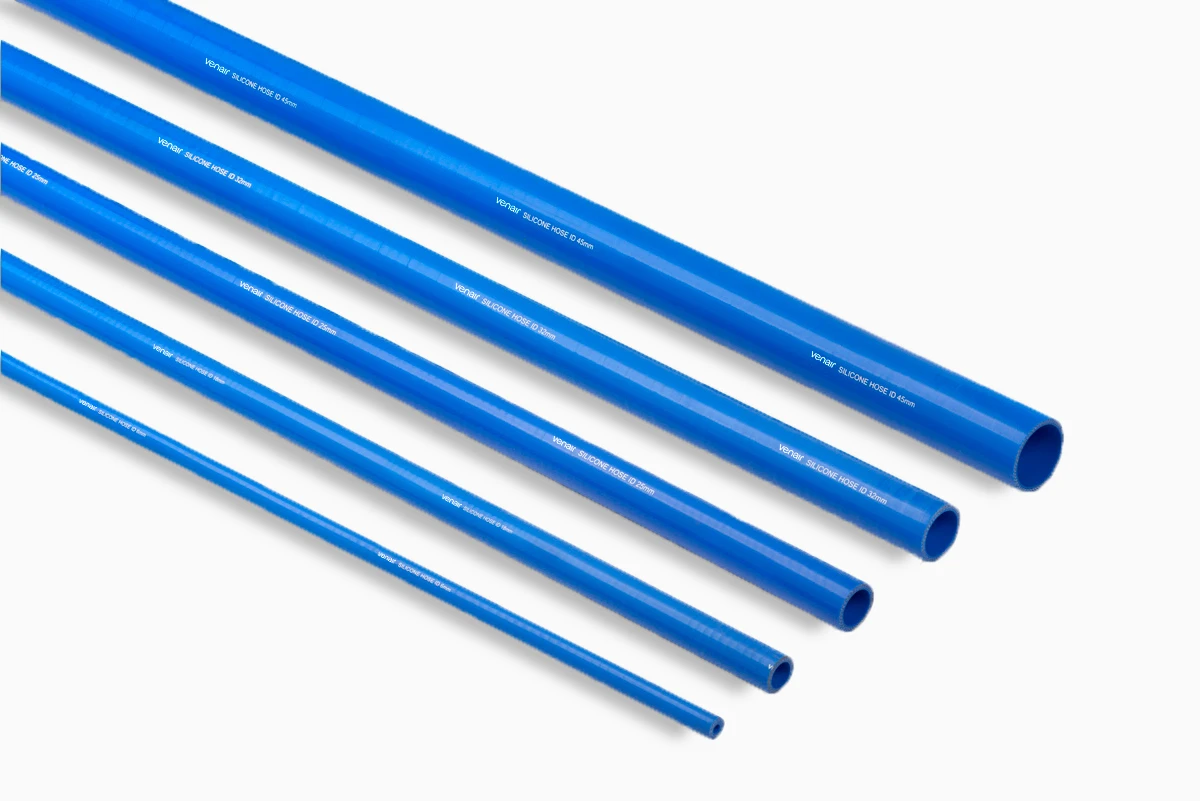
For these applications, solutions such as VENA® RAIL and VENA® RAIL PLUS have been specifically developed to meet the requirements of the railway industry, providing durability, reliability, and consistent long-term performance.
VENA® RAIL |
VENA® RAIL PLUS |
 |
 |
Their design enables them to perform in demanding transportation environments where safety and operational continuity are critical.
-
Military and Defense Vehicles
Military vehicles frequently operate under extreme conditions, including severe temperatures, rough terrain, and high levels of mechanical stress.
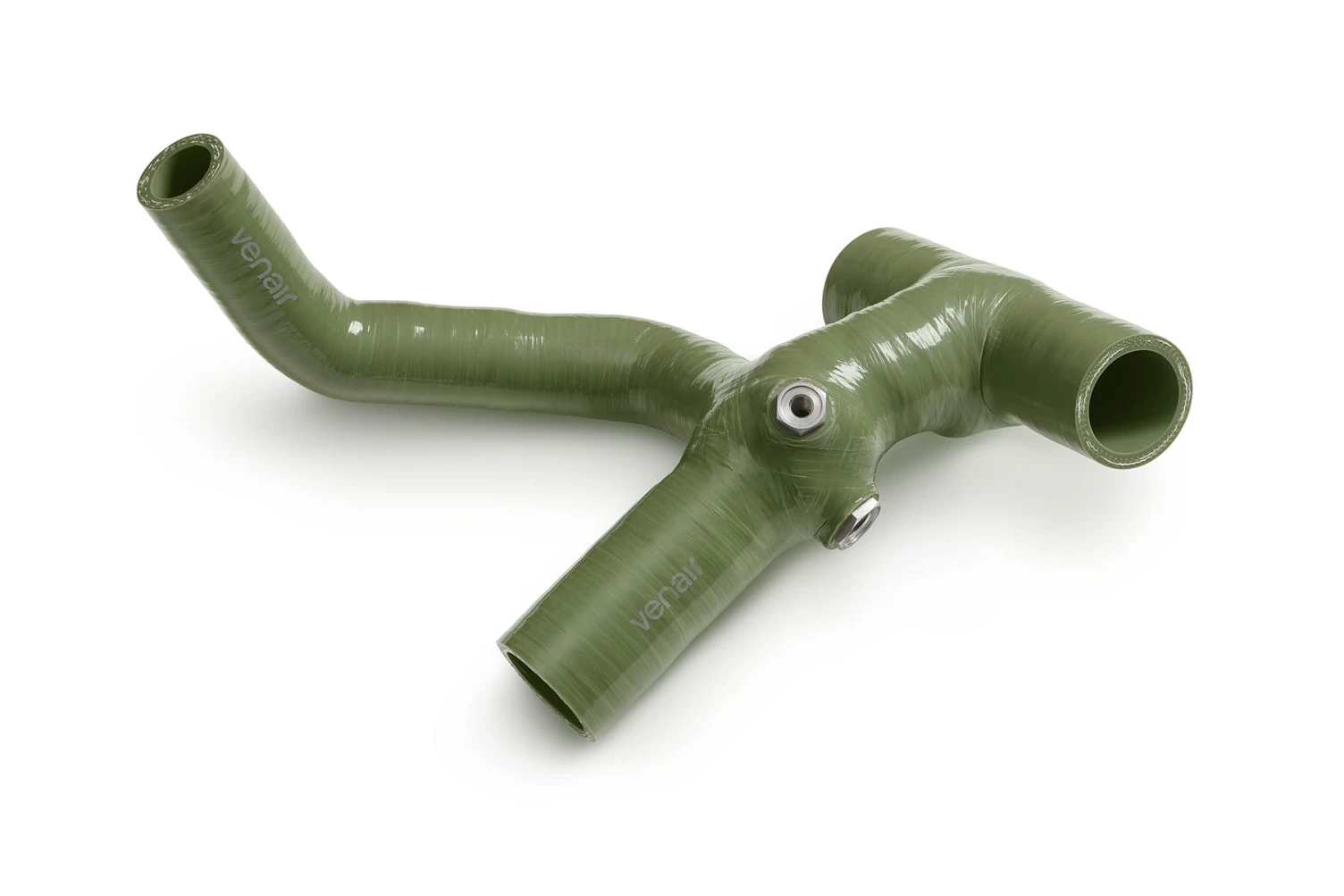
To address these challenges, VENA® MILTECH has been developed as a high-performance fluid transfer solution for military and defense applications, combining durability, flexibility, and resistance in highly demanding operating environments.
VENA® MILTECH |
 |
As defense technologies continue to evolve, reliable fluid transfer systems become increasingly important to ensure equipment readiness and operational performance.
The Importance of Custom Hose Design
Modern mobility platforms rarely rely on standard configurations.
Manufacturers increasingly require custom-designed hose assemblies capable of adapting to complex routing paths, reducing the number of connections, and minimizing potential leak points.
Custom-engineered hose solutions help to:
- Optimize available space
- Simplify assembly processes
- Improve system reliability
- Reduce maintenance requirements
- Increase overall vehicle efficiency
Integrating hose design from the early stages of development helps optimize vehicle performance while reducing long-term operational risks.
Supporting the Future of Mobility
Mobility technologies will continue to evolve, and fluid transfer systems must evolve alongside them.
Whether in passenger vehicles, electric platforms, railway transportation, or military applications, hose performance plays a fundamental role in ensuring safety, efficiency, and operational reliability.
At Venair, we develop specialized silicone solutions such as Vena® HT, VENA® RAIL, VENA® RAIL PLUS, and VENA® MILTECH, designed to help manufacturers address the challenges of modern mobility through advanced materials, custom engineering, and long-term performance.
Related