Hygienic Fluid Transfer in Food Processing: Ensuring Safety and Efficiency
Introduction
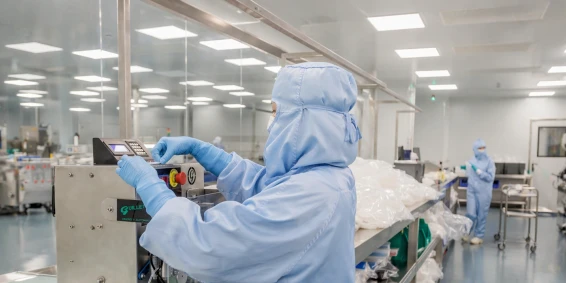
In the food processing industry, maintaining hygienic conditions throughout production is not just a regulatory requirement—it is a fundamental pillar of product quality and consumer safety. Among the many components involved in processing lines, fluid transfer systems, particularly food grade hoses, play a critical role.
From transporting raw ingredients to handling finished products, hoses are in direct contact with food media. Any compromise in their design, material, or maintenance can lead to contamination risks, product recalls, and operational inefficiencies.
This article explores how selecting the right food grade hoses ensures hygienic integrity, improves process efficiency, and supports compliance with global food safety standards.
Why Hygienic Fluid Transfer Matters in Food Processing
Food production environments demand strict hygiene control across every stage of the process. Fluid transfer systems are especially critical because they directly handle liquids, semi-liquids, and sometimes powders.
Key risks associated with inadequate hose systems include:
-
Microbial contamination due to material porosity or residue buildup
-
Chemical contamination from non-compliant materials
-
Cross-contamination between batches
-
Product degradation caused by unsuitable hose materials
To mitigate these risks, manufacturers must rely on food grade hoses specifically designed for hygienic applications.
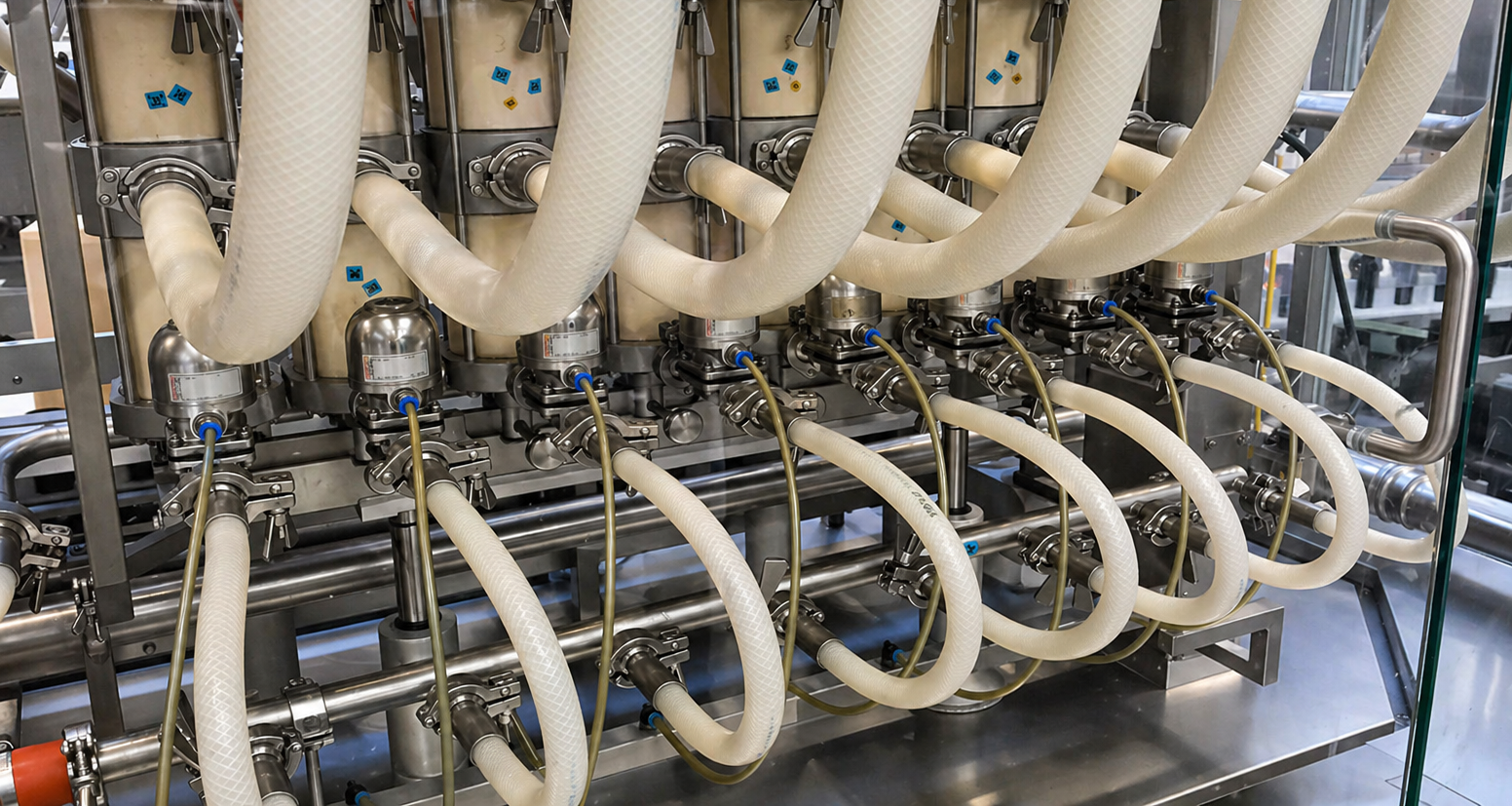
Key Requirements for Food Grade Hoses
Not all hoses are suitable for food processing. To ensure safety and compliance, food grade hoses must meet several critical criteria:
1. Material Compliance
Hoses must comply with international food safety regulations such as:
-
FDA (Food and Drug Administration)
-
EU Regulation 1935/2004
-
USP Class VI (in certain high-purity applications)
Materials like platinum-cured silicone and PTFE are widely used due to their inert properties and resistance to contamination.
2. Smooth Inner Surface
A smooth, non-porous inner liner prevents product buildup and bacterial growth. This is essential for maintaining hygiene and facilitating effective cleaning.
3. Chemical and Temperature Resistance
Food processing often involves aggressive cleaning agents and high temperatures. Hoses must withstand:
-
Cleaning chemicals (alkaline and acidic solutions)
-
High-temperature cleaning cycles (CIP/SIP)
-
Thermal variations during production
4. Flexibility and Mechanical Performance
In dynamic environments, hoses must offer flexibility without compromising structural integrity. Tight bending radii and repeated movement should not lead to cracks or degradation.
Improving Efficiency Through Proper Hose Selection
Choosing the right food grade hose is not only about safety—it also directly impacts operational efficiency.
-
Reduced Downtime
High-quality hoses reduce the frequency of replacements and maintenance interventions, minimizing production interruptions.
-
Faster Cleaning Cycles
Hoses designed for hygienic applications enable more efficient cleaning processes, reducing cleaning time and resource consumption.
-
Consistent Product Quality
Stable material properties ensure that the taste, odor, and composition of food products remain unaffected during transfer.
Typical Applications in Food Processing
Food grade hoses are used across a wide range of applications, including:
-
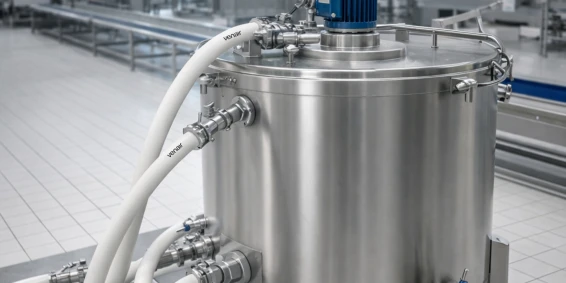
Ingredient transfer (milk, oils, syrups, flavorings)
-
Mixing and blending systems
-
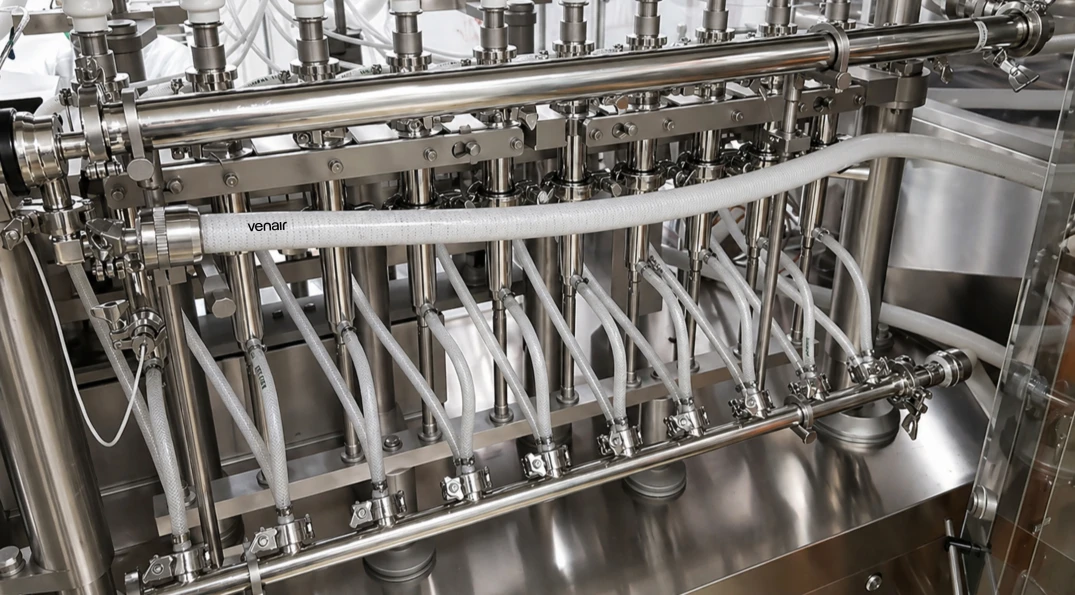
Filling and packaging lines
-
Cleaning systems (CIP and SIP)
Each application presents unique challenges, requiring tailored hose solutions based on pressure, temperature, and chemical exposure.
The Role of Engineering and Customization
Standard solutions are not always sufficient in complex food processing environments. Custom-designed hose assemblies provide significant advantages:
-
Optimized lengths and diameters for specific installations
-
Integration with sanitary fittings (Tri-Clamp, DIN, SMS)
-
Pre-assembled and tested solutions to ensure reliability
-
Adaptation to specific process conditions
This engineering approach ensures both performance and compliance.
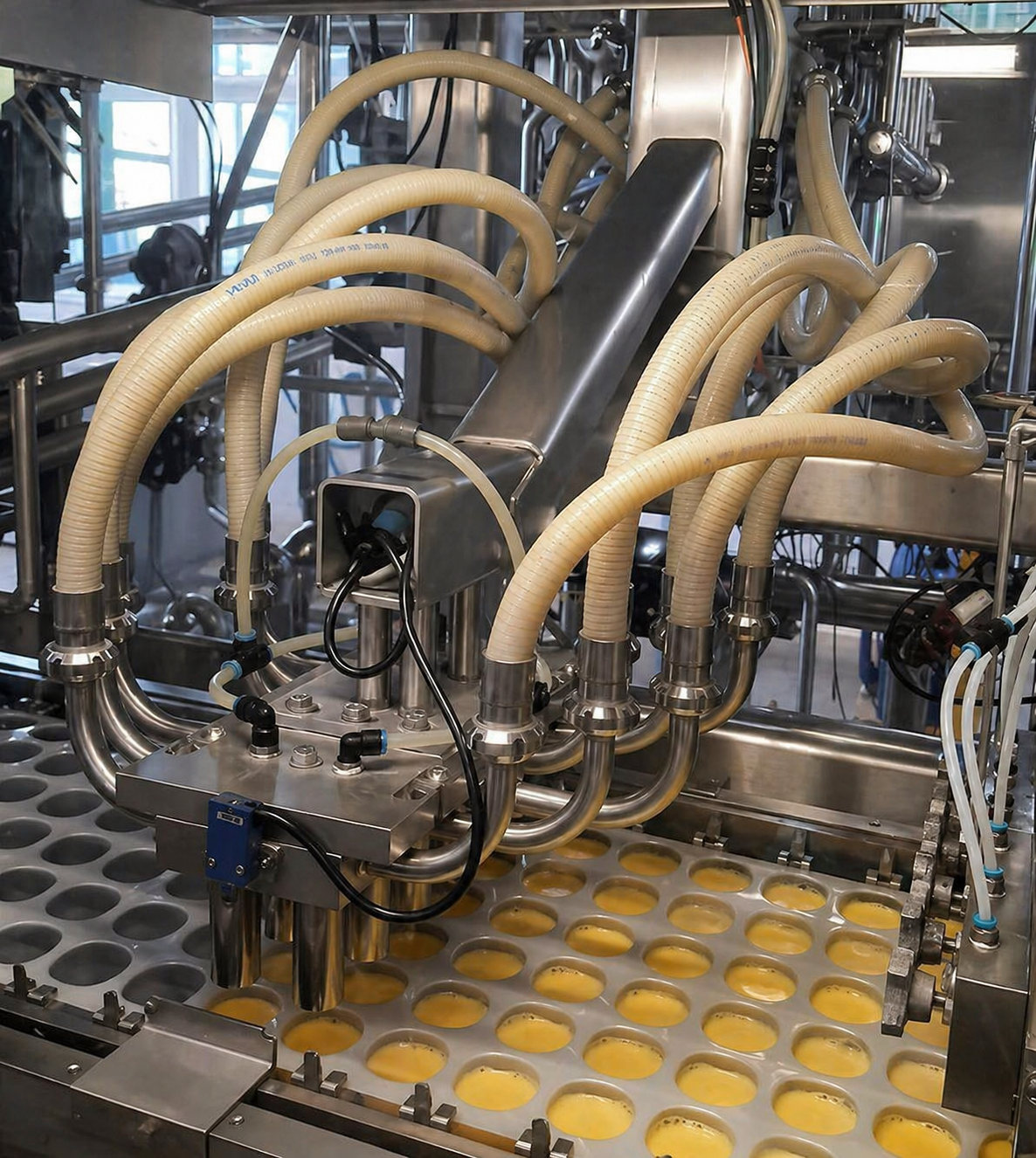
Conclusion
Hygienic fluid transfer is a critical component of modern food processing operations. The correct selection of food grade hoses directly influences safety, efficiency, and regulatory compliance.
By prioritizing high-quality materials, hygienic design, and application-specific solutions, manufacturers can reduce risks, optimize processes, and maintain consistent product quality.
As the industry continues to evolve, investing in reliable fluid transfer systems is not just a necessity—it is a strategic advantage.